You have been told your head is too far forward. Every posture video confirms it. Every chiropractor measures it. Every program gives you the same exercises: chin tucks, cervical retractions, upper trap stretches, shoulder blade squeezes.
You have done them all. Your head is still forward.
Not because you are doing them wrong. Because you are solving the wrong problem. Forward head posture is not the problem. It is the symptom. And treating a symptom while the cause continues running is why nothing has changed.
Where the head actually gets its position
Your head does not float independently at the top of your spine. It sits on top of a column. That column starts at the pelvis. It runs through the lumbar spine, through the thoracic spine, through the cervical spine, and ends at the cranium.
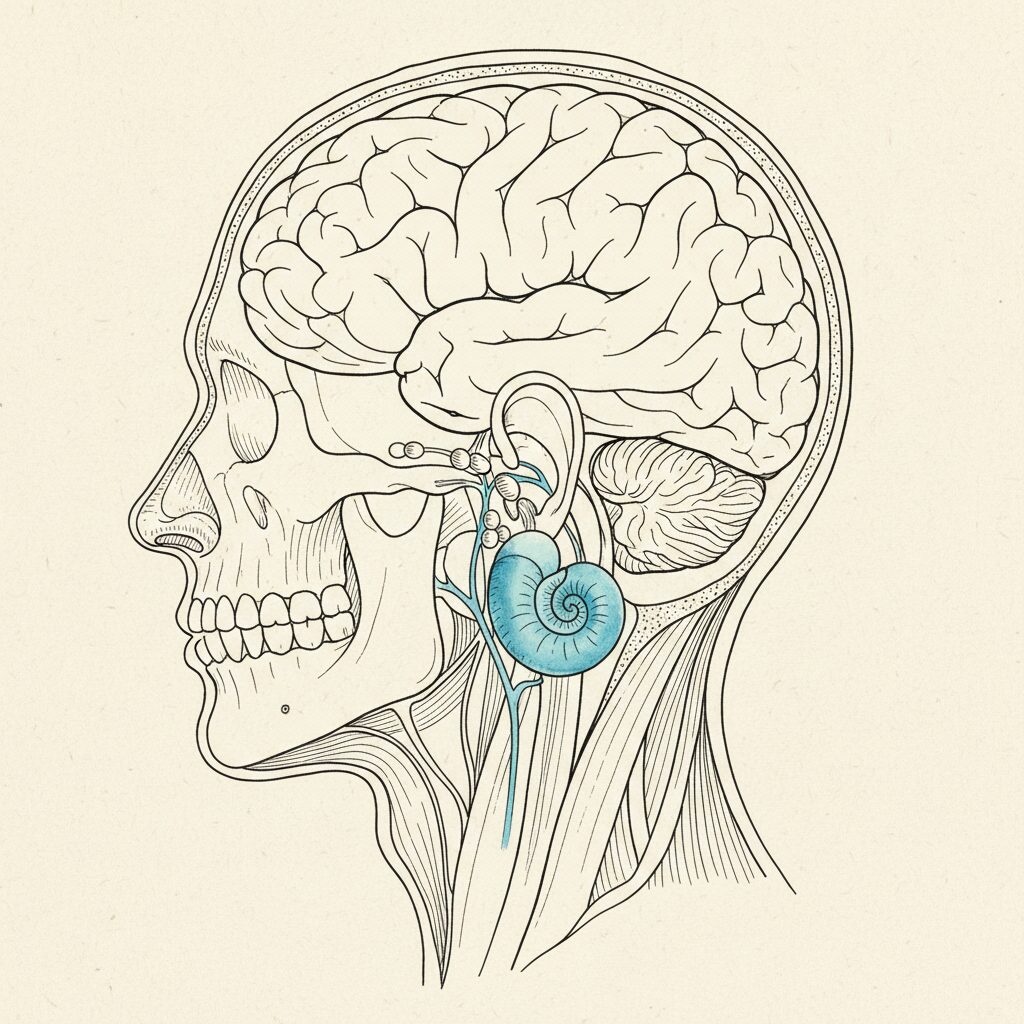
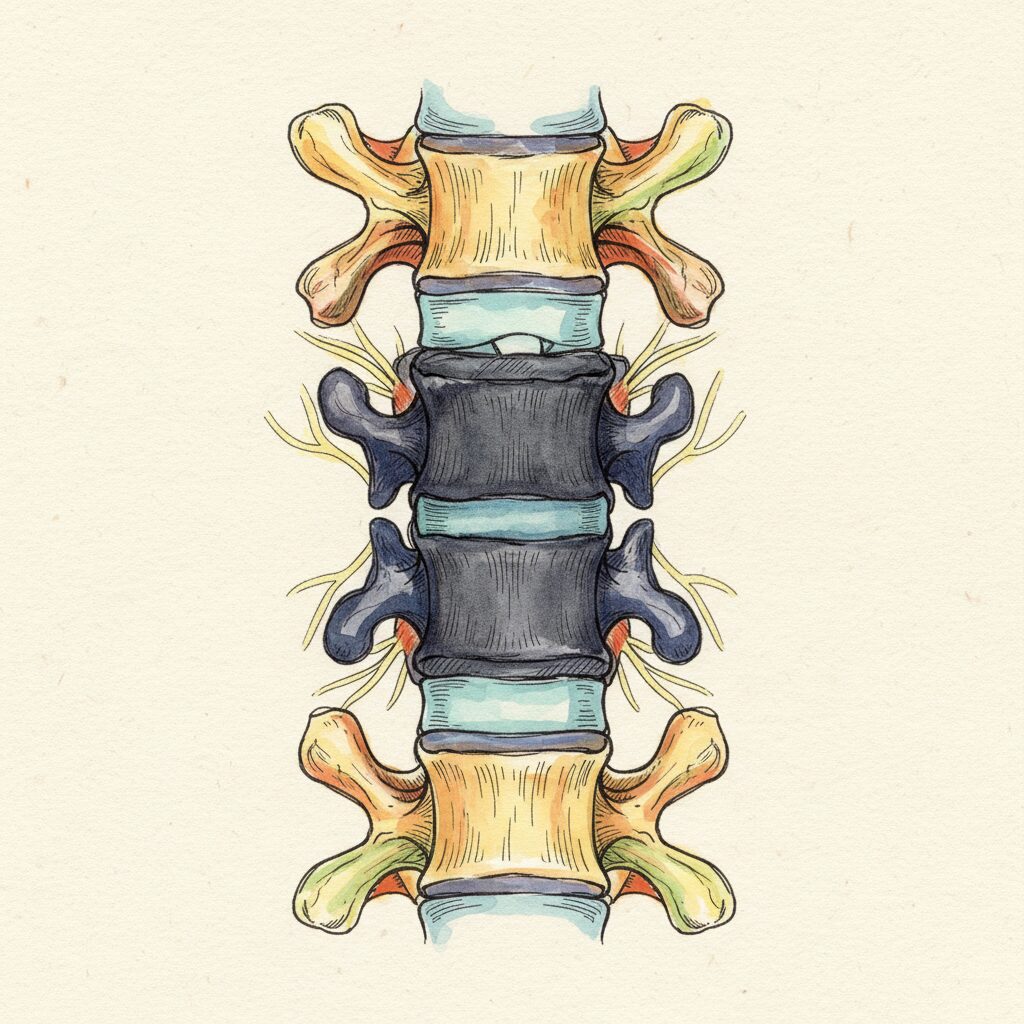
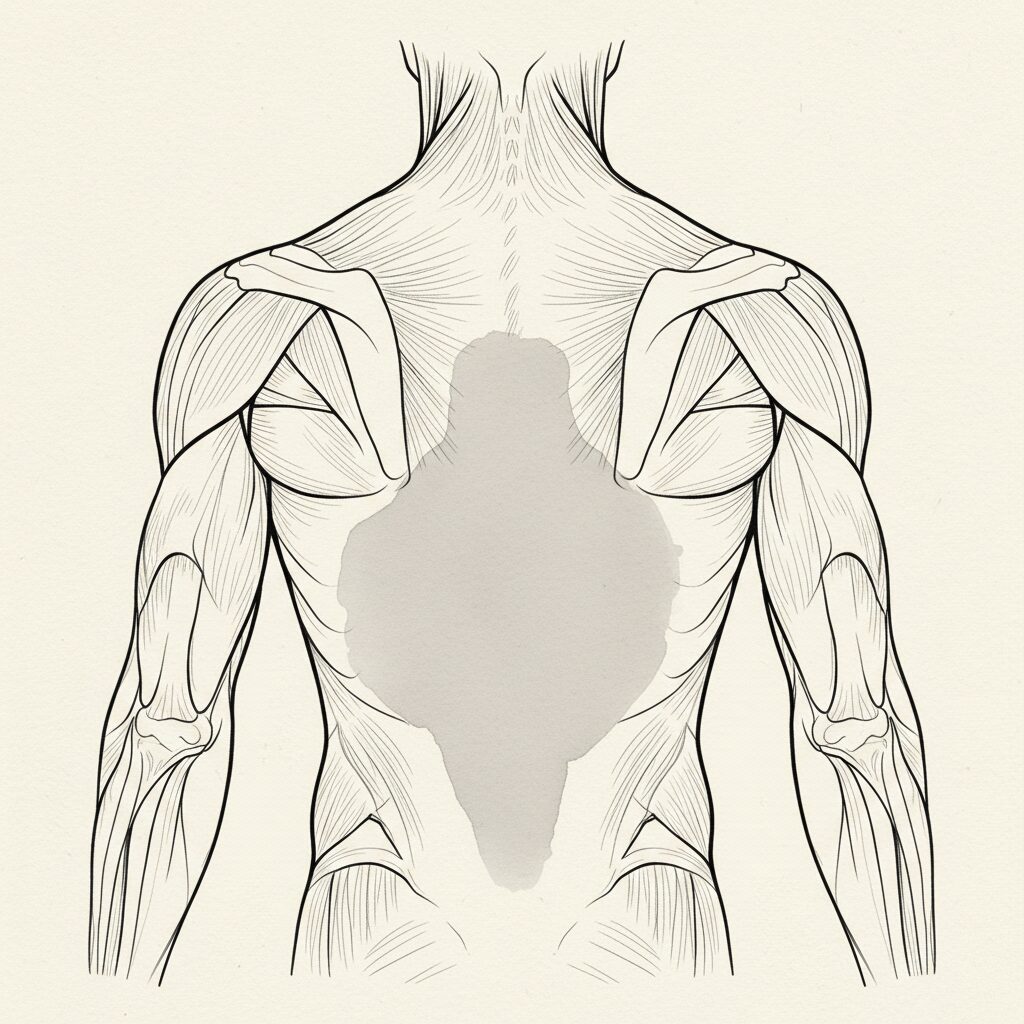
This column is not held up by muscles alone. It is pressurized from within. Intra-abdominal pressure, generated by the diaphragm pressing down, the pelvic floor pressing up, and the transversus abdominis pressing in, creates a hydraulic cylinder inside the trunk. This cylinder supports the lumbar spine. The lumbar spine supports the thoracic spine. The thoracic spine supports the cervical spine. The cervical spine supports the head.
When the pressure drops, the column settles. The lumbar curve deepens or flattens. The thoracic spine rounds. The cervical spine compensates. And the head migrates forward to maintain your center of gravity over your base of support.
Your head is not forward because your neck is weak. Your head is forward because the hydraulic column it sits on top of has collapsed.
Kolar et al. (2012) demonstrated that individuals with chronic low back pain show altered diaphragm mechanics: a flattened diaphragm position that reduces its capacity to generate intra-abdominal pressure for postural support. Hodges et al. (2005) showed that IAP increases lumbar spinal stiffness by 8 to 31 percent, providing hydraulic support that extends through the entire spinal column. When diaphragm function is compromised, the pressure that supports the lumbar spine drops. The thoracic spine loses its base. The cervical spine loses its base. The head position is the final output of a cascade that begins at the pressure canister, not at the neck. Targeting the head and neck addresses the last link in a chain whose failure point is three regions below.
Why chin tucks cannot fix what pressure lost
A chin tuck retracts the head by contracting the deep cervical flexors. It is a muscular correction applied at the symptom. The muscle pulls the head back. You hold it there with effort. You release the effort. The head goes forward again.
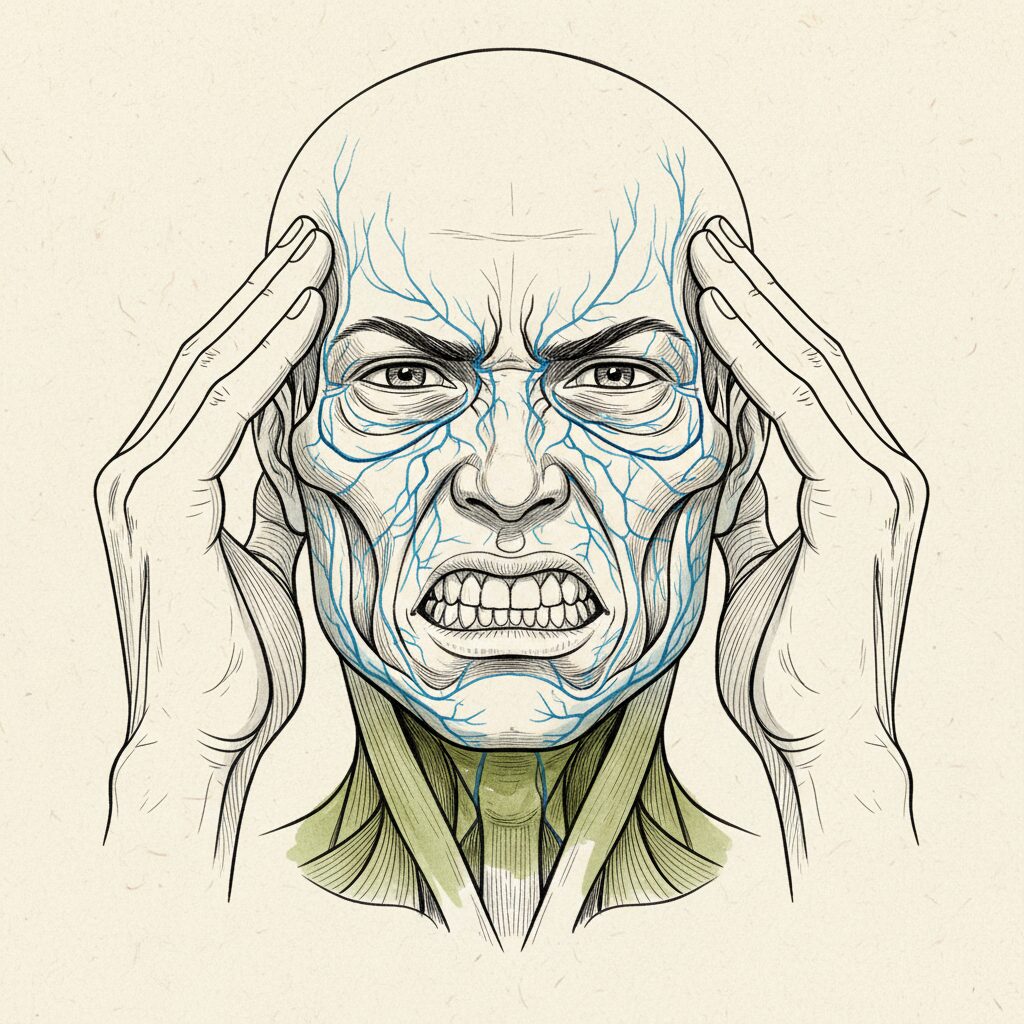
This is not a failure of discipline. It is a failure of strategy.
Chin tucks are like adjusting the antenna on a sinking ship.
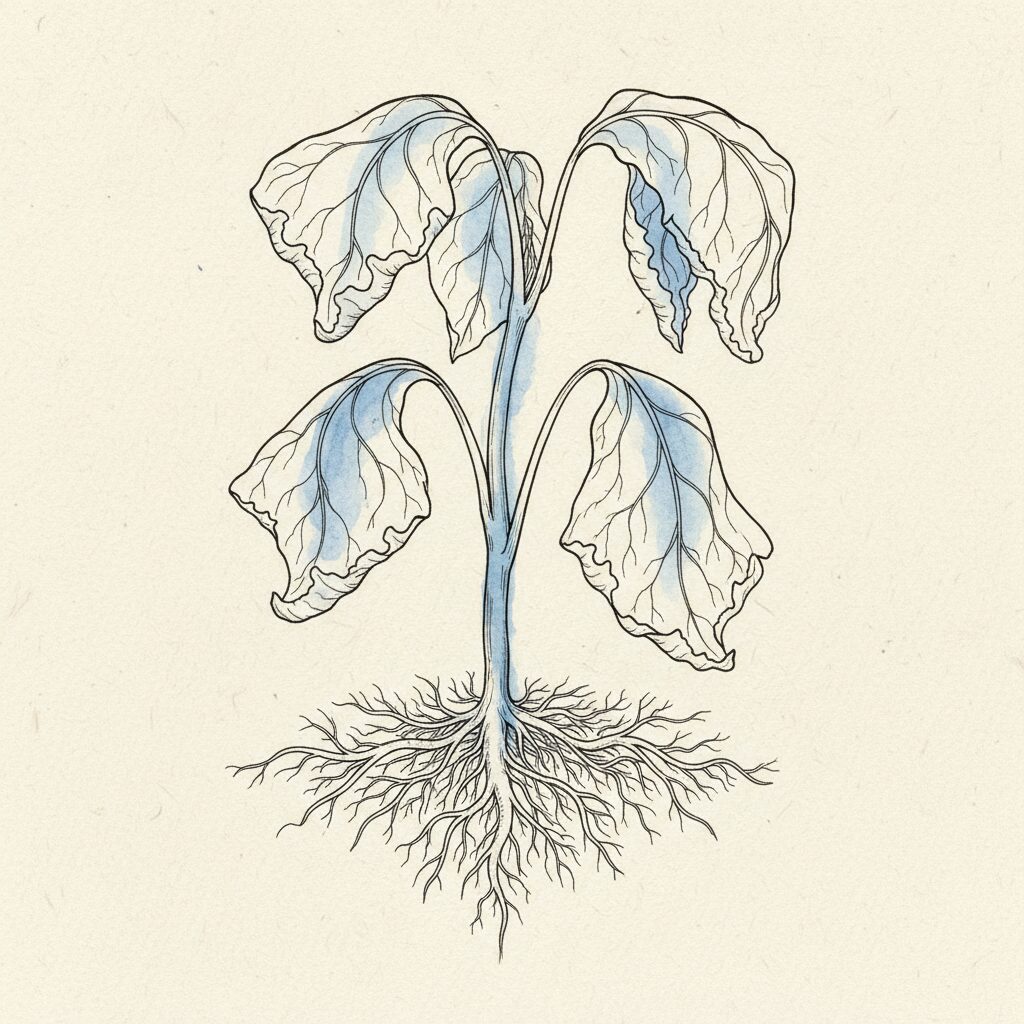
The head returned to its forward position because the reason it went forward has not changed. The pressure canister is still depressurized. The lumbar spine is still unsupported. The thoracic spine is still rounded. The cervical spine is still compensating. No amount of cervical retraction will change any of that.
Worse, the correction itself may be blocking the update.
Kilteni and Ehrsson (2020) showed that voluntary movements generate efference copies, neural predictions that suppress incoming sensory feedback. When you consciously pull your head back, the brain predicts the resulting sensory change and attenuates the proprioceptive signal from the movement. The correction feels like you are “fixing” your posture, but the sensory data your body schema needs to update its model is being dampened by the act of correction itself. Voluntary postural corrections generate the illusion of change while reducing the sensory information that would produce actual change. The harder you try to hold your head back, the less your nervous system learns from the new position.
Every repetition of the chin tuck tells your nervous system: this position requires effort. This is not the default. This is something you have to do, not something you are. And the moment you stop doing it, the system reverts to its actual model, which has not changed.
The cascade from the bottom up
Watch an infant develop. The pressure system comes online first. The diaphragm descends. IAP increases. The trunk stabilizes. Then the thoracic spine extends. Then the cervical spine organizes. Then the head finds its position on top of a supported column.
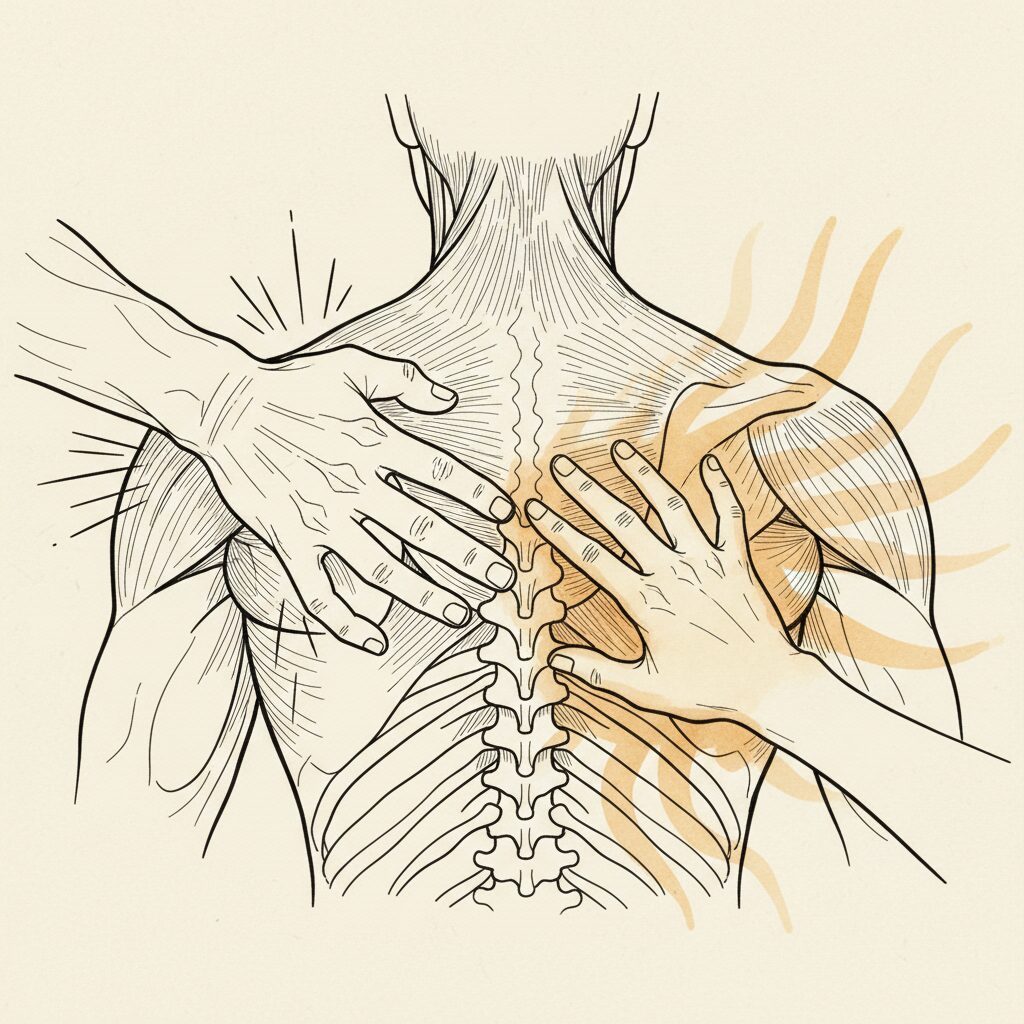
The sequence is always bottom-up. Pressure first. Spinal extension second. Head position last.
Forward head posture is not a problem of the head. It is the visible endpoint of a pressure failure that started at the diaphragm. Every program that targets the head and neck is intervening at the end of the cascade while ignoring the beginning.
The lumbar spine needs pressure. The thoracic spine needs a supported base. The cervical spine needs a supported thoracic spine. And the head needs all of the above.
What happens when pressure returns
When the diaphragm recovers its dome shape and begins generating rhythmic intra-abdominal pressure, the cascade reverses. The lumbar spine stiffens. The thoracic spine lifts. The cervical spine reorganizes. And the head migrates back over the shoulders.
Not because you pulled it there. Because the column underneath it pushed it there.
This is the difference between correction and restoration. Correction forces the output into a different position. Restoration fixes the system that generates the output. One requires constant effort. The other requires none, because the system is doing what it was designed to do.
Your head knows where to go. It is waiting for the floor to come back.
—
Related: The Collapse That Fixes Your Posture | Posture Is a Prediction | Why Pulling Your Shoulders Back Makes It Worse
—
Syntropic Core Resets address forward head posture from the bottom up. By restoring diaphragm function and intra-abdominal pressure, the spinal column regains its hydraulic support and the head finds its natural position without effort or correction. See how it works.
Sources
- Kolar, P., et al. (2012). Postural function of the diaphragm in persons with and without chronic low back pain. JOSPT, 42(4), 352-362. PMID: 22236541 [T1]
Diaphragm dysfunction reduces IAP, compromising the hydraulic support column that extends from pelvis through spine to cranium. - Kilteni, K., & Ehrsson, H.H. (2020). Efference copy is necessary for the attenuation of self-generated touch. iScience, 23(2), 100843. PMID: 32058957 [T1]
Voluntary postural corrections generate efference copies that suppress proprioceptive feedback. The correction blocks the update. - Hodges, P.W., et al. (2005). Intra-abdominal pressure increases stiffness of the lumbar spine. Journal of Biomechanics, 38(9), 1873-1880. PMID: 16023475 [T1]
IAP supports the entire spinal column. When pressure drops, the cervical spine loses its base of support and the head migrates forward.
Related research
- Two Papers Just Landed: The Neural Generation Hypothesis and the Generative Posture Framework
- Stand Up Tall, Pull Your Shoulders Back, Brace Your Core: Why the 3 Most Common Posture Cues Are Neuroscience Dead Ends
- How Much Can I Actually Change My Scoliosis? What the Research Shows
- You Can’t Tickle Yourself. That’s Why Your Posture Won’t Change.
Comments
3 responses to “Forward Head Posture Is a Symptom, Not the Problem”
[…] forward head posture […]
[…] Forward Head Posture Is a Symptom, Not the Problem […]
[…] Forward Head Posture Is a Symptom, Not the Problem […]