Why Nothing Has Worked for Your Posture (And What Actually Will)
You have tried stretching. You have tried strengthening. You have tried adjustments. You have tried bracing. You have tried yoga. You have tried the app.
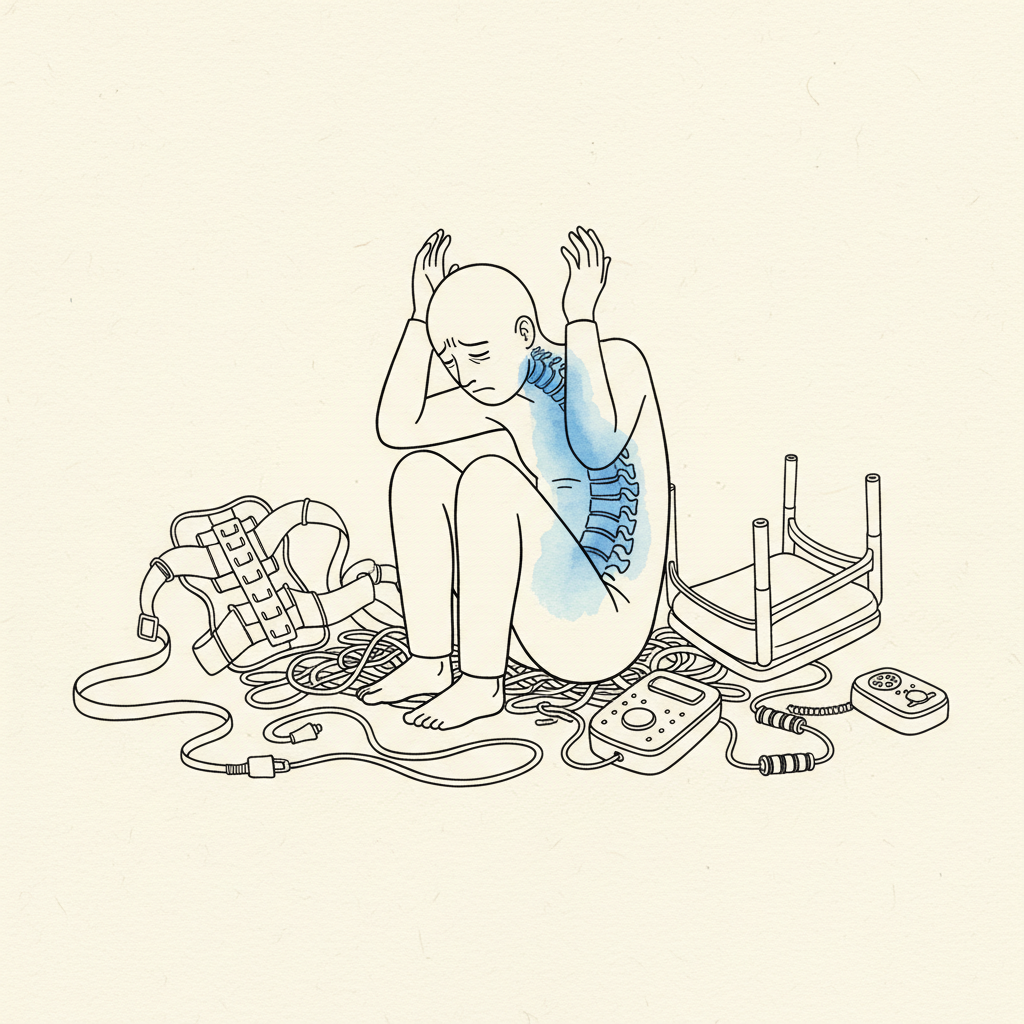
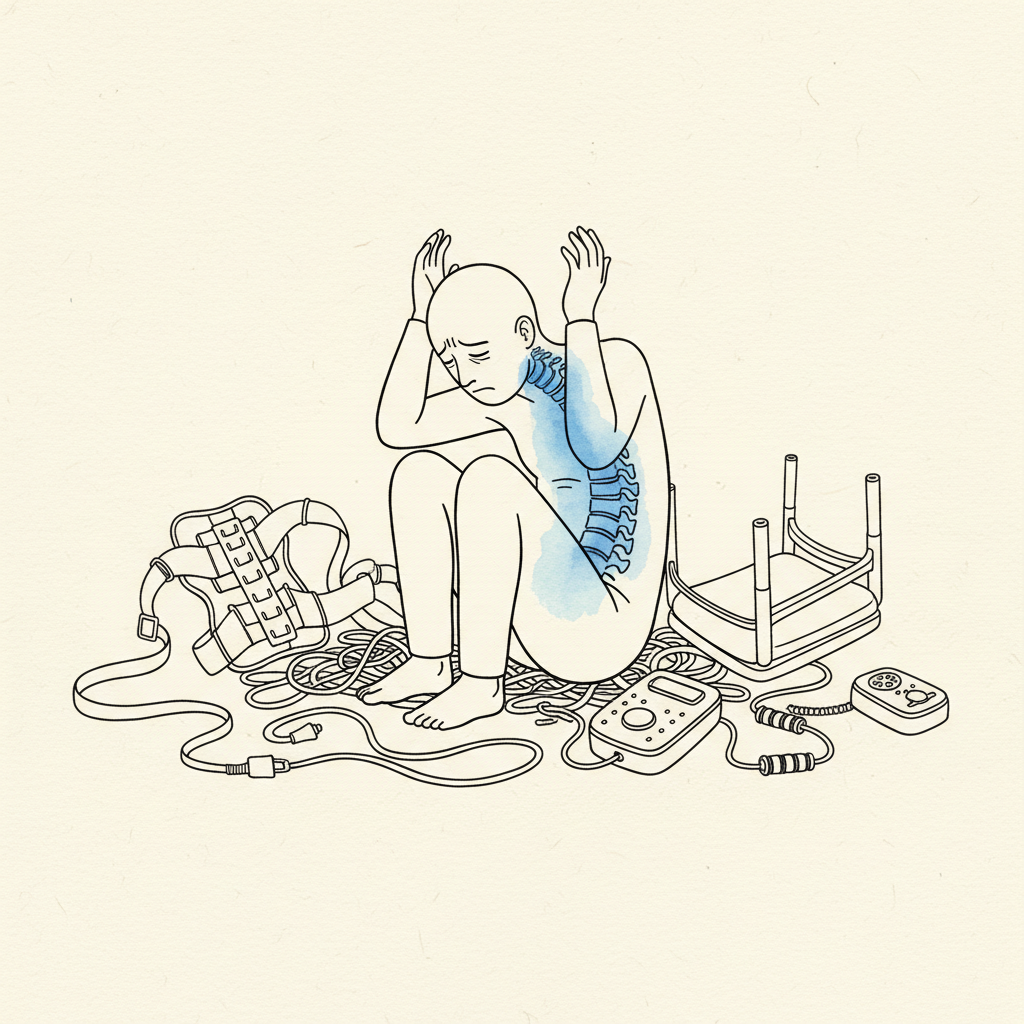
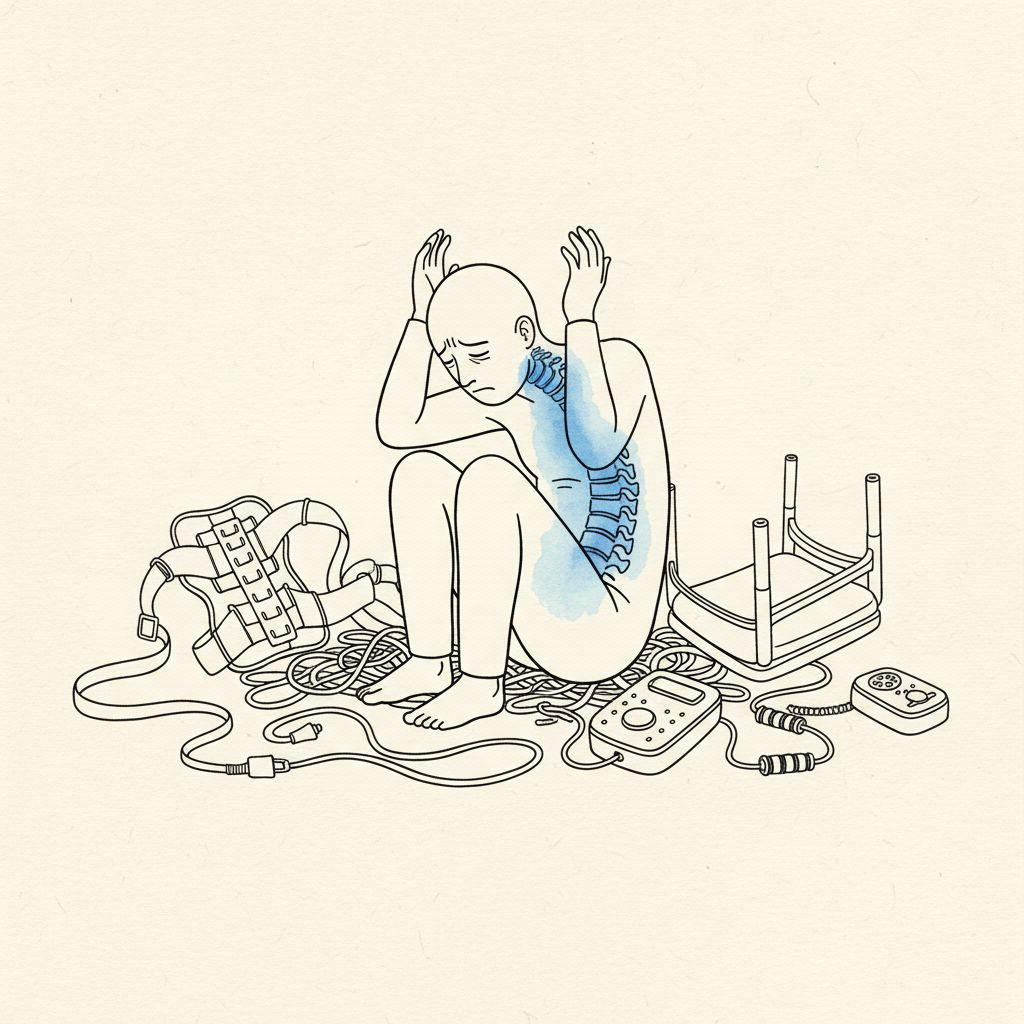
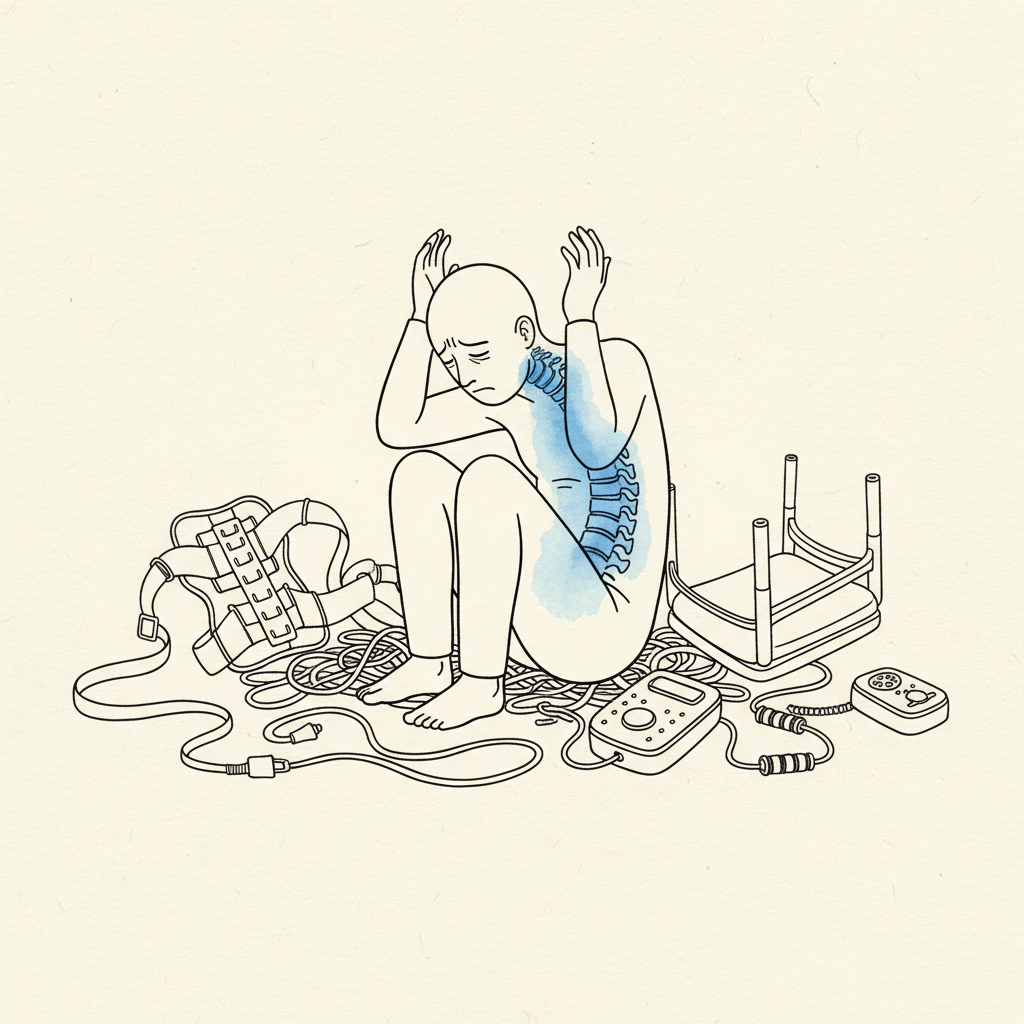
And you are back here. Reading another article. Looking for the thing that everyone else missed.
Here is the part no one has told you: those approaches were not wrong. Every one of them touched something real. The stretching produced a real change. The adjustments moved something. The exercises activated something. For a few hours. Maybe a few days. Then the pattern came back. Every time.
This is not a willpower problem. It is a targeting problem. Every posture program you have tried entered at the motor layer. Stretching. Strengthening. Adjusting. Bracing. All of them targeted the thing you can see. None of them targeted the thing generating it.
That thing has a name. It is called the [body schema](/body-schema-posture-how-brain-controls): the brain’s internal spatial model of where your body should be [3]. Your posture is not a position you hold. It is a prediction your brain generates, moment by moment, based on that model [2]. And until the model updates, every correction you make will revert. Not because you failed. Because the instruction set that generates your posture was never addressed.
This article will walk through the major approaches, name what each one does well, identify where each one stops, and then explain why they all stop in the same place.
Stretching
Stretching is the most common first attempt. Your hamstrings are tight. Your hip flexors are short. Your chest is contracted. The logic seems obvious: lengthen the short things.
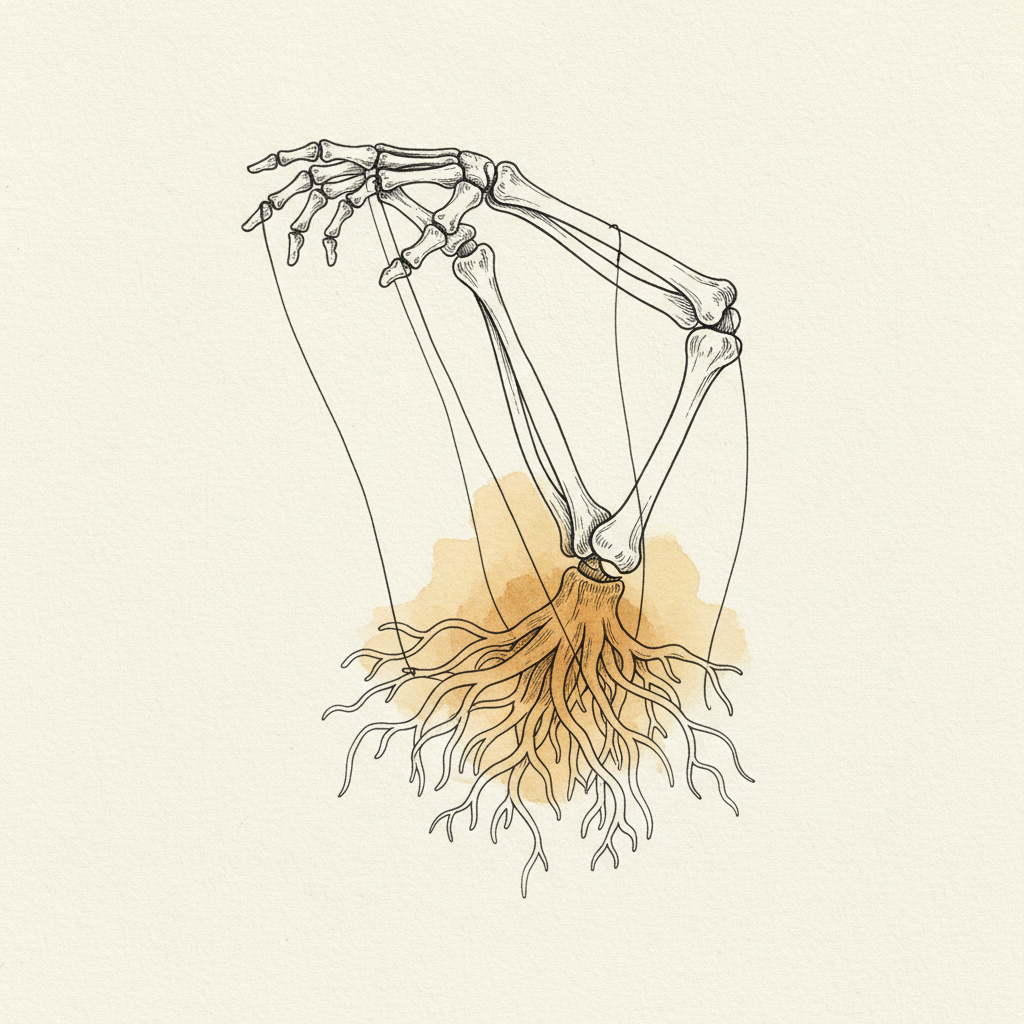
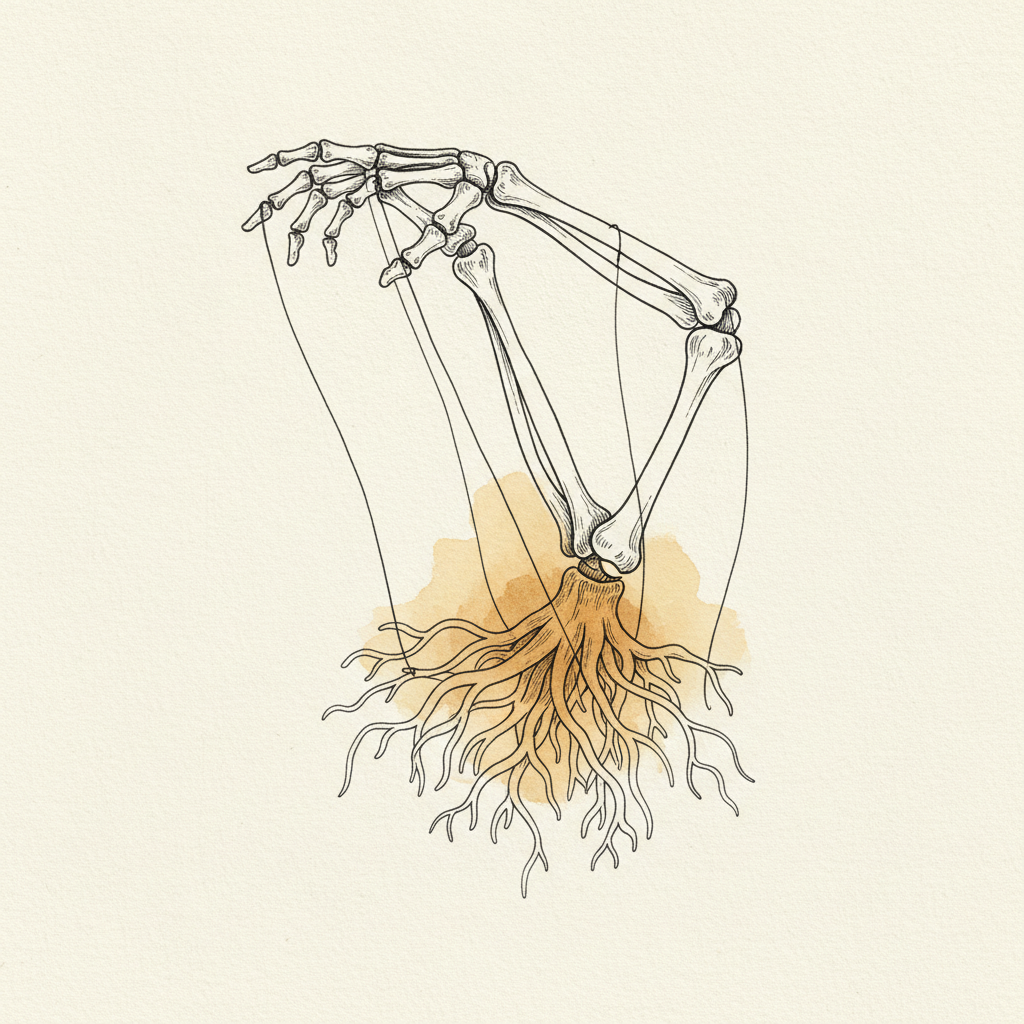
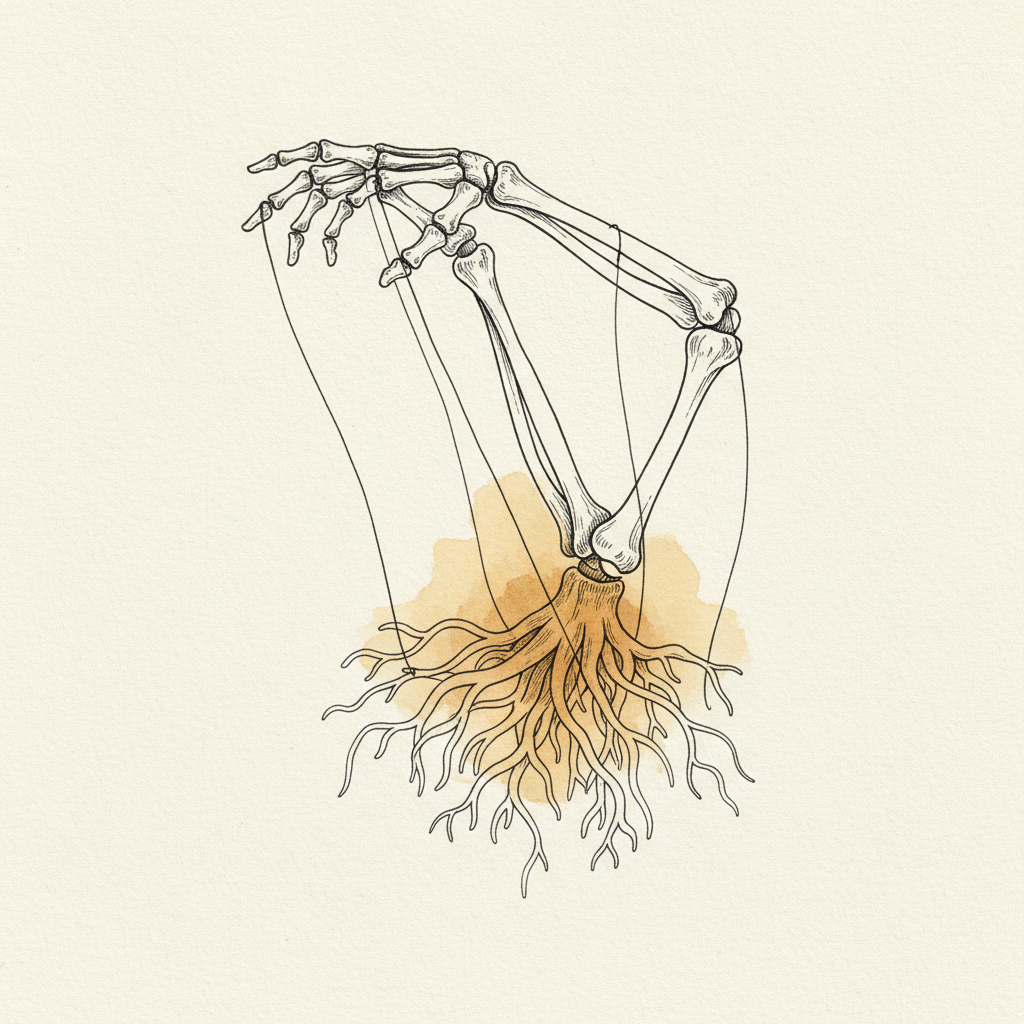
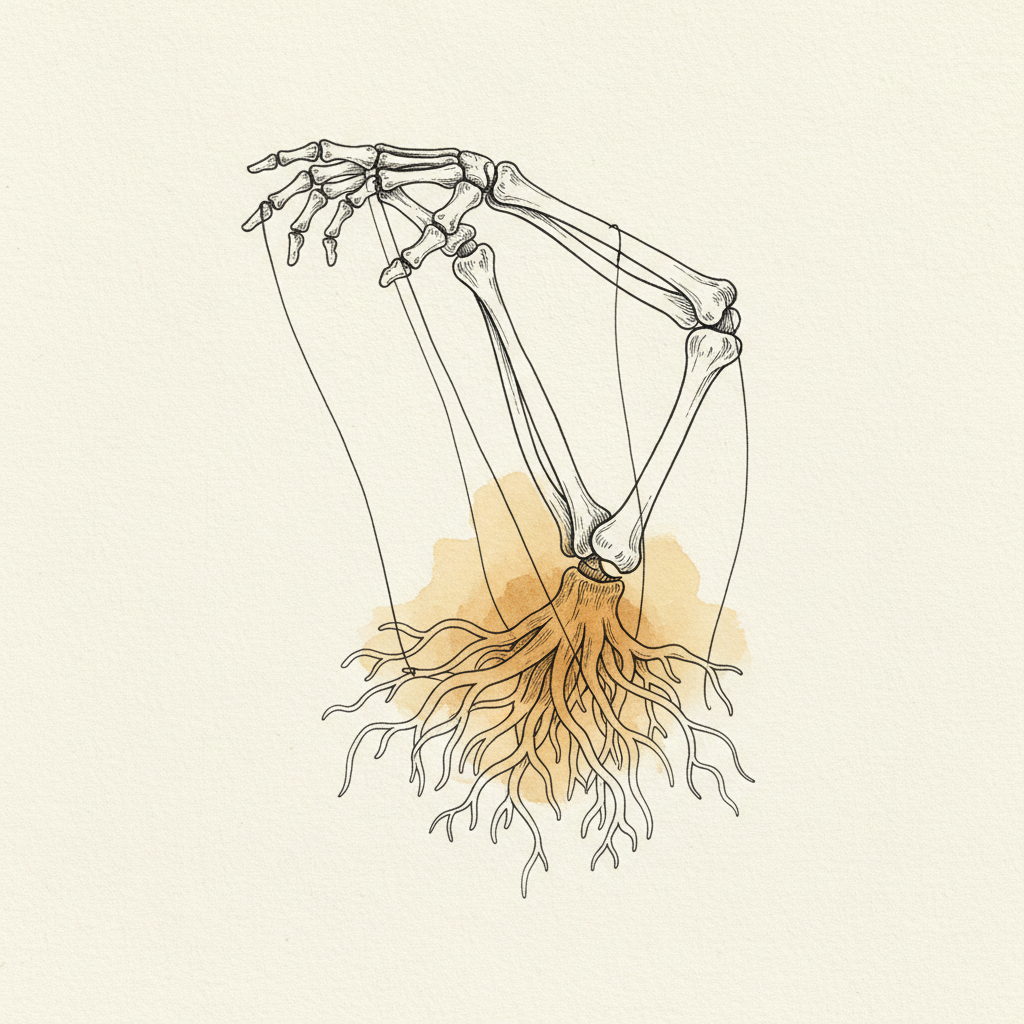
And the tissue does lengthen. Temporarily. Connective tissue has a property that allows it to soften under sustained load [9]. You feel looser after a stretch session. That is real. For about one to two hours, the tissue compliance changes. Then the nervous system’s prediction reasserts and the muscle returns to the tone the brain was holding all along.
This is not a stretching failure. It is a design constraint. Stretching is a voluntary motor command with a matched prediction. You expect the pull. You get the pull. Your brain registers zero surprise. Zero prediction error. Zero reason to update its model [2]. The stretch produces a temporary mechanical softening of tissue. It does not produce a neurological update to the map that is setting the tension in the first place.
A deeper look at this mechanism is in our article on [why stretching does not fix posture](/why-stretching-doesnt-fix-posture).
Strengthening
The next logical step. If stretching the tight things did not hold, strengthen the weak things. Activate the glutes. Train the core. Do rows for the upper back. Build the muscles that should be holding you upright.
Strengthening programs address muscle capacity. They do not address motor control. Hodges and Moseley demonstrated that pain and chronic compensation reorganize the brain’s motor strategy [7]. The brain changes which muscles it recruits and in what pattern. That reorganization persists even after the original tissue issue resolves. You can build a strong glute that the brain never recruits for standing. You can train a core that the brain bypasses during walking. The muscle is capable. The brain’s motor program does not include it.
This is why people who are objectively strong still have the same postural pattern they had before the gym. The hardware upgraded. The software did not.
Chiropractic Adjustments
Adjustments produce real neurological input. Joint mobilization sends a signal through the mechanoreceptors into the central nervous system. Many people feel immediate relief after an adjustment. The spine moves differently. The body feels lighter. For hours. Sometimes days.
A Cochrane review of spinal manipulation for chronic low back pain found short-term improvements that diminish over follow-up periods [10]. The pattern is consistent: the adjustment changes the position. The [body schema](/body-schema-posture-how-brain-controls) regenerates the old position. The hardware was addressed. The software was not.
This is why [chiropractic adjustments often do not hold](/why-chiropractic-adjustments-dont-hold). The adjustment is real. The reversion is also real. They are operating on different layers.
Bracing and Posture Correctors
External support makes mechanical sense. Hold the structure in place long enough and the structure adapts. This is how braces work for bones.
But posture is not a bone problem. It is a prediction problem. A [posture corrector](/posture-corrector-makes-it-worse) holds you in a position your brain did not generate. The brain receives no novel sensory input from this. No prediction error. No reason to update. The moment the device comes off, the prediction reasserts. The brain never changed its model. It was simply overridden.
Worse: prolonged external support can cause the brain to reduce its own postural effort. The muscles the brain was recruiting, even if recruiting them inefficiently, begin to down-regulate because the device is doing their job. You are not building a new pattern. You are outsourcing the old one.
Yoga and Movement Practices
Yoga gets closer than most approaches. It involves awareness. It involves breath. It involves sustained positions that challenge the body’s habitual patterns. These are all real inputs.
The limitation is the same one that affects every motor-based approach. “Do this pose” is a motor instruction. The brain generates an efference copy: a prediction of what the pose should feel like [2]. When the sensation matches the prediction, the update signal cancels. The person practicing yoga may feel better during and after class. The nervous system may temporarily downregulate from the parasympathetic invitation. But the body schema prediction that generates the postural pattern was not directly addressed.
The yoga practitioners who do change are often the ones who stumble into the right attentional mode by accident. They stop performing the pose and start receiving sensation from within it. But the method itself does not require this distinction, and most practitioners never make it.
Physical Therapy
Physical therapy is the clinical version of the strengthening approach. Assessment, exercise prescription, manual therapy. It is evidence-based, supervised, and targeted to the individual.
The limitation is the model. Most physical therapy operates under the biomechanical model: find the weak link, strengthen it, stretch the opposing structure, restore mechanical balance. This model treats posture as an engineering problem. Levers. Fulcrums. Force vectors.
It misses the prediction. The brain does not generate posture by calculating force vectors. It generates posture by running an internal model of where the body should be in space [3] [4]. That model is shaped by sensory input, nervous system state, and years of adaptive patterning. No amount of corrective exercise changes the model unless the exercise generates sensory evidence the brain did not predict.
Most posture programs fail because they target the output rather than the instruction set generating it. Research in predictive neuroscience (Friston 2010, Clark 2015) shows that posture is not a position the body holds. It is a prediction the brain generates based on its internal model of where the body should be in space. This model is called the body schema (Paillard 1999). Stretching, strengthening, adjustments, and bracing all change the physical position temporarily, but they do not update the brain’s prediction. Within hours or days, the nervous system regenerates the original pattern because the model that produced it was never changed. Thomas Hanna identified a key mechanism: Sensory Motor Amnesia, where the brain loses voluntary control over chronically held muscles. The muscle is not short or weak. The brain has stopped sending it accurate signals. Approaches that work must update the body schema through sensory evidence rather than motor correction. This requires a fundamentally different framework than most posture programs provide.
What They All Have in Common
Every approach listed above enters the problem at the output layer. Muscles. Joints. Tissue. Position.
None of them enters at the prediction layer.
This is not a criticism of any individual method. It is a description of a shared blind spot. The mechanical model of the body treats posture as a structural problem. Under that model, stretching short things, strengthening weak things, adjusting misaligned things, and bracing collapsing things all make perfect sense.
Under the predictive model, they all miss the same thing: the brain’s spatial model that is generating the pattern [2] [4]. Change the output and the model regenerates it. Change the model and the output changes on its own.
Five People, One Pattern
Every person I work with has tried at least three approaches before finding this one. The approaches were not wrong. They were incomplete. They addressed the output. None addressed the prediction.
Marcus, 42, software engineer, [kyphosis](/kyphosis-complete-guide) for fourteen years: “I did chiropractic twice a week for a year. It felt good in the office. Nothing changed.”
Sofia, 35, marketing manager, chronic neck and shoulder tension: “My massage therapist is basically my most important relationship. Four years. Still the same tension.”
David, 48, former runner, hip and lower back restriction: “I ran, I lifted, I stretched. Five years of hip flexor work. Still tight.”
Nadia, 38, art teacher, [scoliosis](/scoliosis-treatment-without-surgery) with Feldenkrais and IFS background: “I did Feldenkrais, IFS, body scan. I understand my nervous system. My thoracic curve did not change.”
Ray, 61, retired engineer, thoracic kyphosis with mild stenosis: “I have had this for thirty years. I have tried everything except giving up.”
Five different people. Five different histories. Five different approaches. The same outcome: temporary relief, no lasting change. Not because they did not try hard enough. Because every approach entered at the same layer and left the prediction untouched.
Posture programs typically enter the problem at the motor layer: stretch this, strengthen that, adjust here, brace there. The neuroscience of predictive coding (Friston 2010) explains why this approach produces temporary results. Every voluntary correction generates what neuroscientists call an efference copy, a prediction of what the correction should feel like. When the resulting sensation matches that prediction, the brain registers zero prediction error, which means zero reason to update its model. The correction feels right in the moment but changes nothing in the system generating the pattern. Magnusson et al. (1996) demonstrated that stretching produces transient viscoelastic change in tissue but no lasting length change. Hodges and Moseley (2003) showed that pain and chronic compensation reorganize the brain’s motor strategy, and that reorganization persists even after the original tissue issue resolves. The pattern is centrally maintained. Local treatments produce local, temporary effects.
The Prediction Layer
Here is what every one of those approaches missed.
Your posture is generated by your body schema: the brain’s spatial model of where your body is and where it should be [3]. This model is not a conscious decision. It is a continuous, unconscious prediction that runs every waking second. Every muscle that fires, every joint that holds, every postural pattern you carry is the output of that prediction.
For the prediction to change, three conditions must be met simultaneously [2]:
The sensory evidence must be clear enough. The brain maintains a certain confidence in its current model. New evidence must outweigh that confidence. A gentle stretch does not outweigh years of postural patterning. The evidence needs precision and novelty.
The nervous system must be in a receptive state. Under threat, the brain narrows its attentional channels and stops accepting new sensory data [5]. If you are efforting through a correction, judging your posture, or forcing a position, the nervous system reads that as a demand. The gate closes. No updates get through.
The evidence cannot be cancelled by a motor command. This is the condition that disqualifies most approaches. Every voluntary correction (“stand up straight,” “pull your shoulders back,” “engage your core”) generates an efference copy that pre-cancels the sensory feedback [2]. The brain sent the command. The expected sensation arrived. Nothing to report. Nothing to update.
“Stand up straight” fails all three conditions. The evidence is low-precision. The nervous system is typically in an efforting state. And the motor command cancels the feedback.
This is not a willpower failure. It is a design constraint of how the nervous system processes information.
The body schema, the brain’s spatial model of the body, generates posture as a continuous prediction (Paillard 1999). For that prediction to change, three conditions must be met simultaneously: the sensory evidence must be clear enough to outweigh the brain’s confidence in its current model; the nervous system must be in a state that allows sensory updating (Porges 2011, neuroception of safety); and the evidence cannot be cancelled by a voluntary motor command. Conscious posture correction typically fails all three conditions. “Stand up straight” is a motor command that generates an efference copy, cancelling any sensory evidence. It is often performed in a state of self-judgment, which narrows the nervous system’s receptive gate. And the resulting sensation matches what the motor command predicted, producing no prediction error. This is not a willpower failure. It is a design constraint of how the nervous system updates its models. Lasting posture change requires sensory evidence delivered through a different mechanism entirely.
What Actually Updates the Model
The approaches that produce lasting change share three features. They are sensory, not motor. They are novel, not expected. And they are received, not forced.
[Pandiculation](/what-is-pandiculation) is the clearest example. It is the body’s native reset mechanism for chronically held muscles [8]. Voluntary contraction of the held muscle, followed by extremely slow conscious lengthening, followed by complete release. The contraction restores cortical access to a muscle the brain had lost control of [1]. The slow release generates novel sensory input the brain did not predict. The release phase is where the body schema actually updates.
Hanna tracked 103 patients through this approach. Four out of five reported significant pain reduction. Average sessions before improvement: fewer than three [1]. The speed makes sense once you understand the mechanism. The brain is not building something new. It is regaining access to something it already had.
Sensory discrimination training is another. Moseley demonstrated that directed tactile attention restores cortical resolution for body regions that had become [smudged](/body-schema-posture-how-brain-controls) on the brain’s map [6]. The brain’s representation of that region sharpens. The prediction for that region becomes more accurate. The posture in that region changes because the model driving it changed.
The principle underneath both approaches is the same. Sensation first. Motor output second. Give the brain evidence it did not predict. Let the model update. The posture follows.
This is the inversion that every approach on the list above misses. They all start with a motor instruction: stretch this, strengthen this, hold this position. The nervous system updates in the opposite direction. Feel first. Then the movement changes on its own.
The Fastest Path is Not the One You Expect
The fastest way to change your posture is to stop trying to change your posture.
This sounds like a paradox. It is mechanistically precise. The motor intention to fix your posture generates efference copies that block the sensory evidence your brain needs [2]. Removing the motor intention removes the interference. The brain becomes available to receive input it was previously cancelling.
This is [why trying harder makes posture worse](/trying-harder-fix-posture-worse). More effort generates more efference copies. More cancellation. Less updating. The system locks tighter precisely because you are pushing harder.
The people who change are the ones who learn to receive instead of correct. They stop issuing commands to their body. They start attending to what their body is already doing. They stop pushing the door. They notice which way it opens.
Stretching produces a temporary reduction in muscle tone through a mechanical process where tissue temporarily becomes more pliable under sustained load (Magnusson 1996). The brain’s prediction of what that muscle’s resting tone should be remains unchanged. Within one to two hours, the prediction reasserts and the muscle returns to its previous state. Chiropractic adjustments produce real neurological input through joint mobilization (Rubinstein et al. 2012), but the body schema regenerates the original joint position because the adjustment changed the hardware without updating the software. Strengthening programs address muscle capacity but not the motor control reorganization that determines which muscles the brain recruits and in what pattern (Hodges & Moseley 2003). Each approach addresses one layer of a multi-layer system. The layer they share in common is the one they all miss: the body schema prediction that generates the pattern in the first place.
Where This Leads
You do not need another approach that targets the output. You need one that targets the prediction.
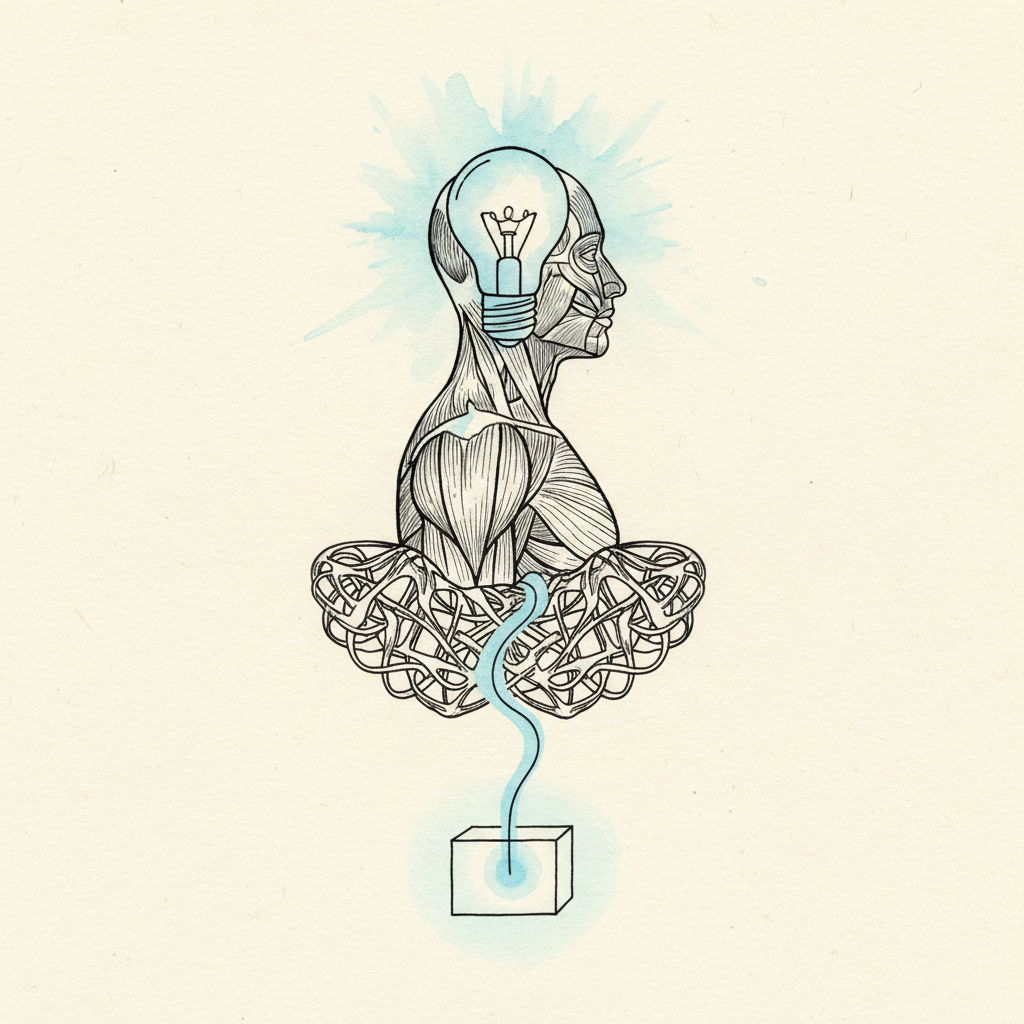
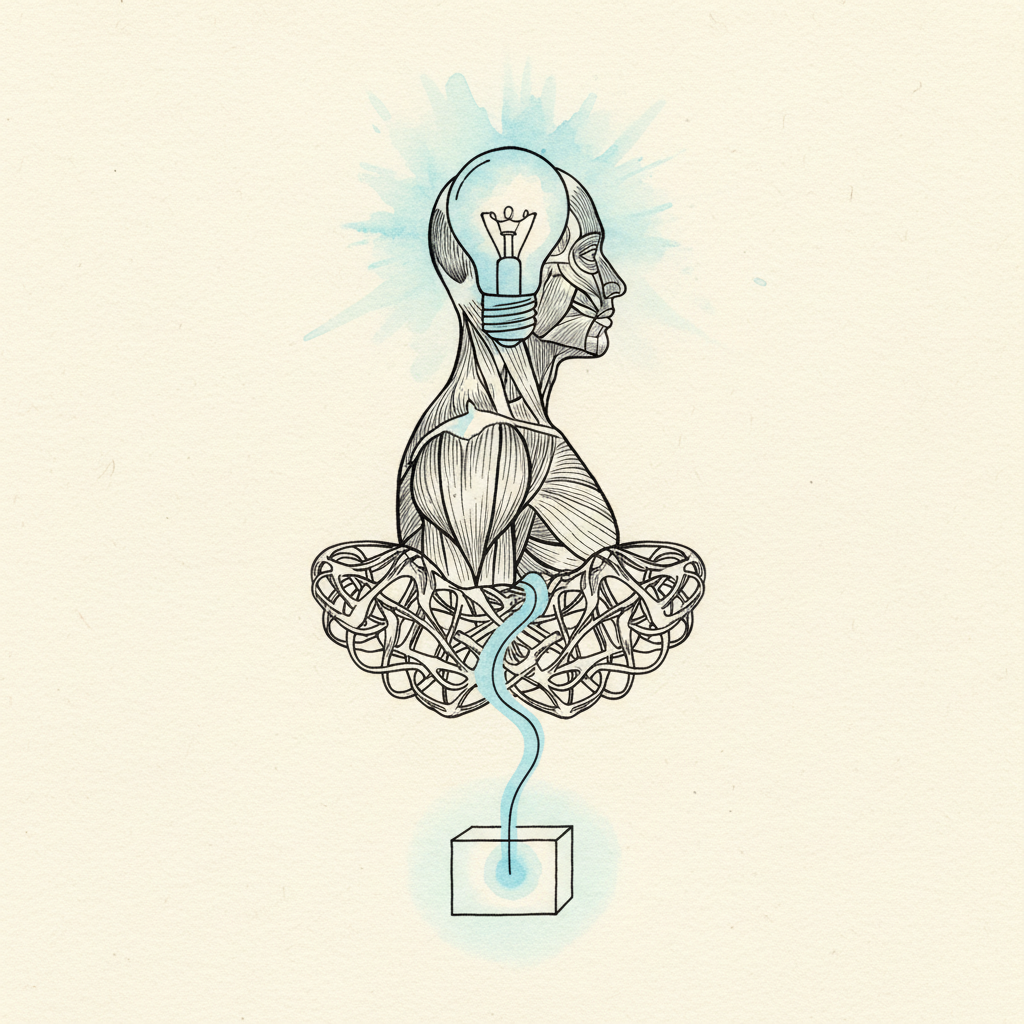
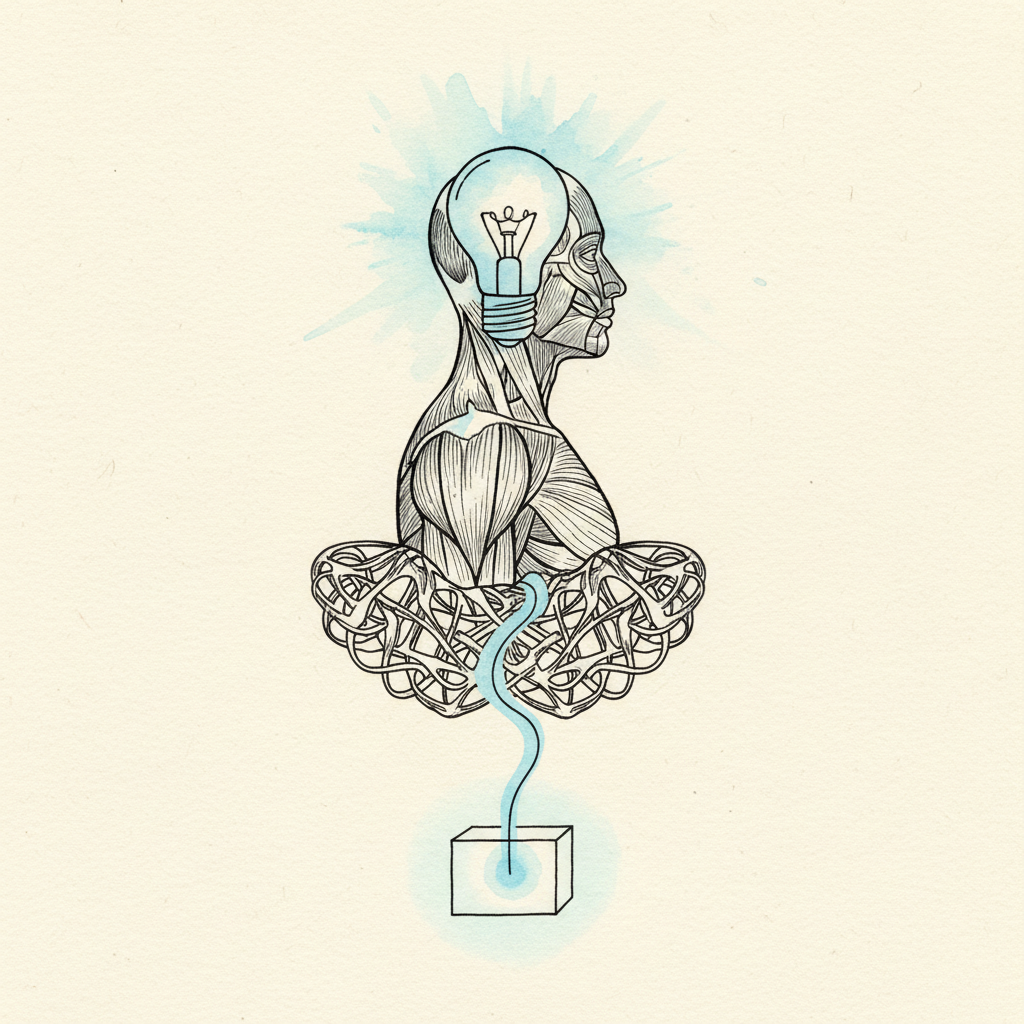
The body schema is not a black box. It updates through specific, identifiable conditions. Sensory evidence with enough precision to outweigh the current model. A nervous system state that allows updating. Input that arrives without being pre-cancelled by a motor command. These conditions are reproducible. They are trainable. They are the foundation of everything we build inside Syntropic Core.
If you have been cycling through approaches and arriving back at the same pattern, the problem was never your commitment. It was the layer. Every approach was talking to the output. The prediction was never part of the conversation.
Now it is.
—
Syntropic Core Reset is built on the predictive neuroscience of posture. Not stretching. Not strengthening. Not correcting. Updating the brain’s model so the correction becomes unnecessary. [Learn what the nervous system approach looks like at syntropiccore.com](https://syntropiccore.com).
—
Sources
[1] Hanna, T. (1988). Somatics: Reawakening the Mind’s Control of Movement, Flexibility, and Health. Da Capo Press.
[2] Friston, K. (2010). The free-energy principle: a unified brain theory? Nature Reviews Neuroscience, 11(2), 127-138.
[3] Paillard, J. (1999). Body schema and body image: A double dissociation in deafferented patients. In G.N. Gantchev et al. (Eds.), Motor Control, Today and Tomorrow.
[4] Clark, A. (2015). Surfing Uncertainty: Prediction, Action, and the Embodied Mind. Oxford University Press.
[5] Porges, S.W. (2011). The Polyvagal Theory: Neurophysiological Foundations of Emotions, Attachment, Communication, and Self-regulation. W.W. Norton.
[6] Moseley, G.L., & Flor, H. (2012). Targeting cortical representations in the treatment of chronic pain. Neurorehabilitation and Neural Repair, 26(6), 646-652.
[7] Hodges, P.W., & Moseley, G.L. (2003). Pain and motor control of the lumbopelvic region: effect and possible mechanisms. Journal of Electromyography and Kinesiology, 13(4), 361-370.
[8] Bertolucci, L.F. (2011). Pandiculation: nature’s way of maintaining the functional integrity of the myofascial system? Journal of Bodywork and Movement Therapies, 15(3), 268-280.
[9] Magnusson, S.P., et al. (1996). A biomechanical evaluation of cyclic and static stretch in human skeletal muscle. International Journal of Sports Medicine, 17(2), 106-112.
[10] Rubinstein, S.M., et al. (2012). Spinal manipulative therapy for chronic low-back pain: an update of a Cochrane review. Spine, 37(19), E1167-E1175.
—
About the author: Sam Miller is the creator of Syntropic Core and founder of Posture Dojo. Diagnosed with an 85-degree scoliosis at 18, he spent two decades mapping the nervous system mechanisms that conventional treatment misses. He works with people whose bodies did not respond to the standard playbook. His approach is built on the predictive neuroscience of posture, not the mechanical model that failed him.
Sources
- Hanna, T. (1988). Somatics: Reawakening the Mind’s Control of Movement, Flexibility, and Health. Da Capo Press. [T1]
Sensory Motor Amnesia. The brain loses voluntary control of chronically held muscles. - Friston, K. (2010). The free-energy principle: a unified brain theory? Nature Reviews Neuroscience, 11(2), 127-138. [T1]
Predictive coding: the brain generates posture as a prediction. - Paillard, J. (1999). Body schema and body image: A double dissociation in deafferented patients. In G.N. Gantchev et al. (Eds.), Motor Control, Today and Tomorrow. [T1]
Body schema as the brain’s spatial model generating posture. - Clark, A. (2015). Surfing Uncertainty: Prediction, Action, and the Embodied Mind. Oxford University Press. [T1]
Predictive processing framework. Motor outputs follow from internal models. - Porges, S.W. (2011). The Polyvagal Theory: Neurophysiological Foundations of Emotions, Attachment, Communication, and Self-regulation. W.W. Norton. [T1]
Neuroception of safety as prerequisite for schema updating. - Moseley, G.L., & Flor, H. (2012). Targeting cortical representations in the treatment of chronic pain. Neurorehabilitation and Neural Repair, 26(6), 646-652. [T1]
Cortical smudging. The brain’s body map degrades under chronic patterns. - Hodges, P.W., & Moseley, G.L. (2003). Pain and motor control of the lumbopelvic region: effect and possible mechanisms. Journal of Electromyography and Kinesiology, 13(4), 361-370. [T1]
Pain reorganizes motor strategy. Protective patterns persist beyond tissue healing. - Bertolucci, L.F. (2011). Pandiculation: nature’s way of maintaining the functional integrity of the myofascial system? Journal of Bodywork and Movement Therapies, 15(3), 268-280. [T1]
Pandiculation as the biological reset mechanism for chronically held muscles. - Magnusson, S.P., et al. (1996). A biomechanical evaluation of cyclic and static stretch in human skeletal muscle. International Journal of Sports Medicine, 17(2), 106-112. [T1]
Stretching produces transient viscoelastic change but no lasting tissue length change. - Rubinstein, S.M., et al. (2012). Spinal manipulative therapy for chronic low-back pain: an update of a Cochrane review. Spine, 37(19), E1167-E1175. [T1]
Spinal manipulation produces short-term improvements that diminish over follow-up.
Leave a Reply