-
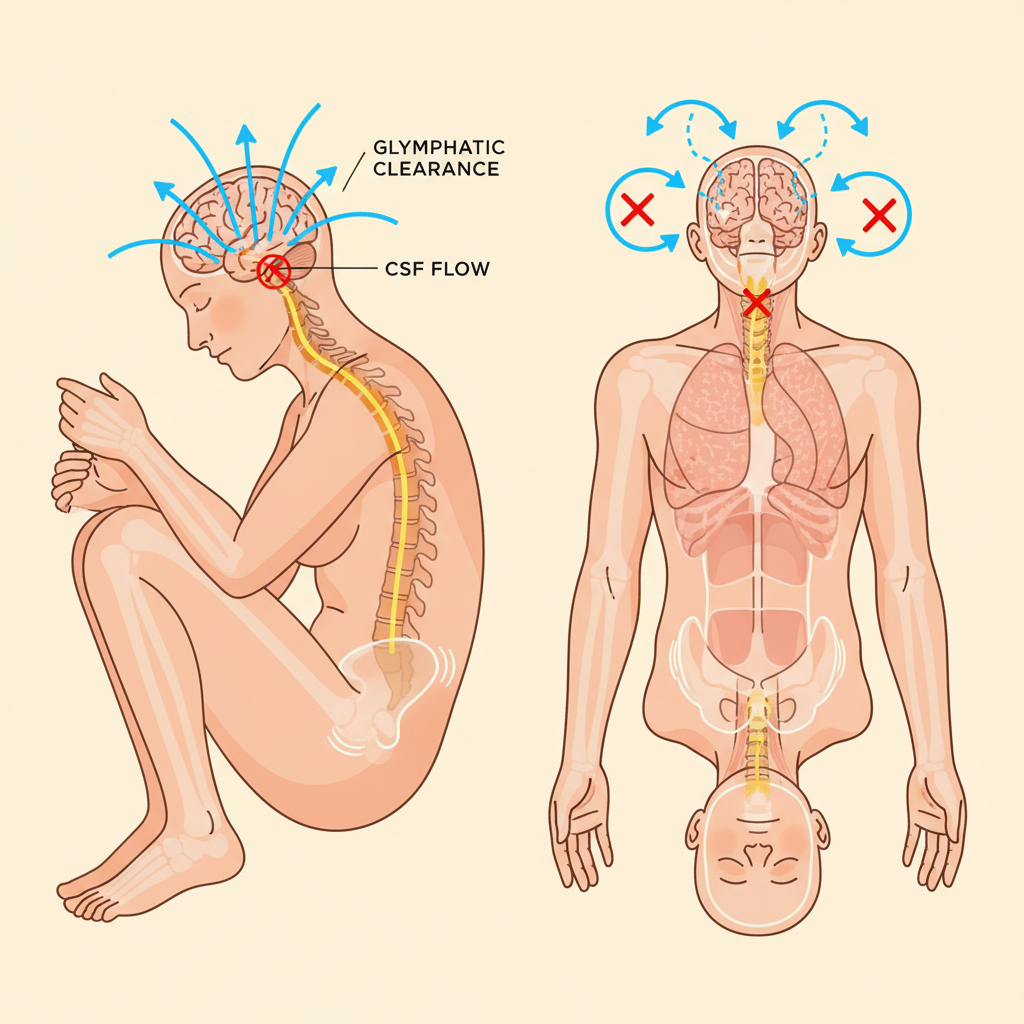
Best Sleeping Position for Scoliosis and Kyphosis: What Actually Matters
Most sleeping position advice is mechanical. But what matters is what the nervous system does during sleep — CSF circulation, body schema…
-
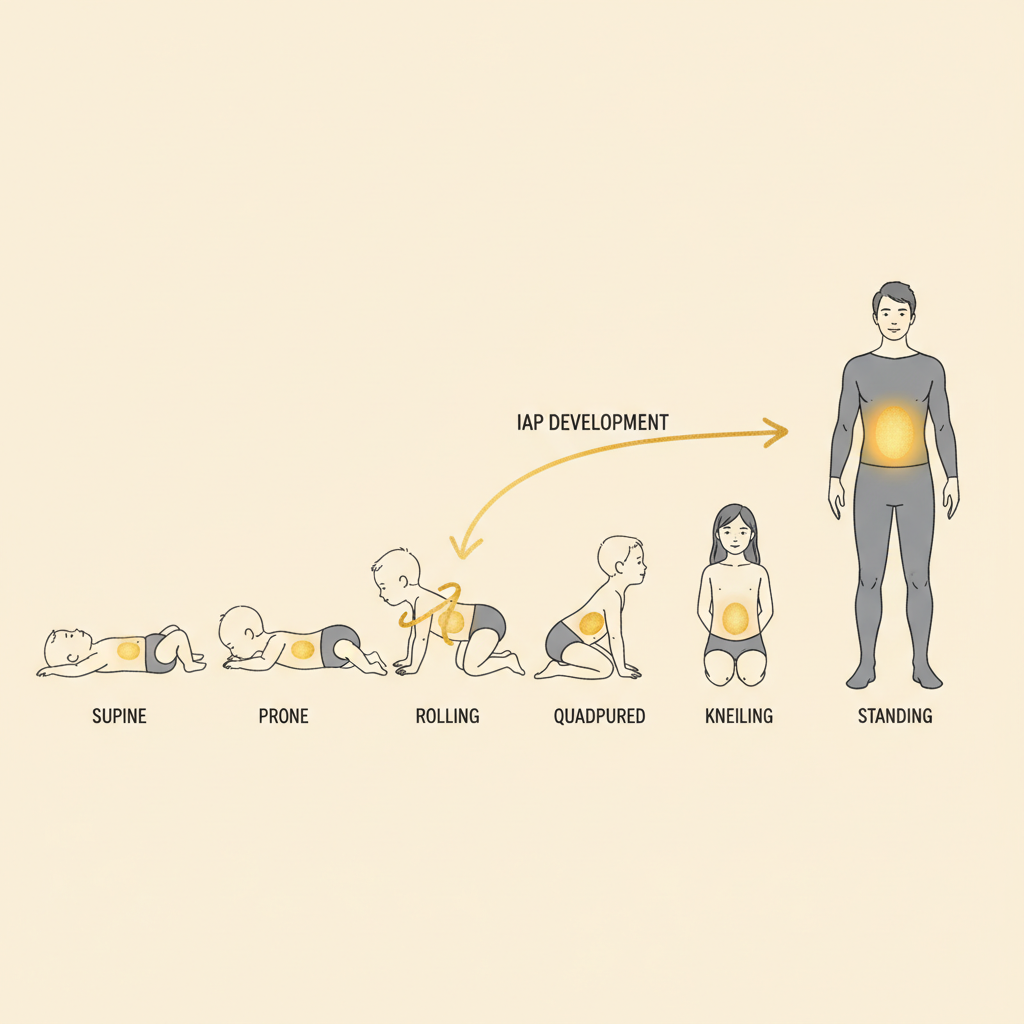
DNS Exercises for Adults: Why Baby Positions Fix Grown-Up Posture
Every human went through the same developmental sequence. These positions are not baby exercises — they are the calibration sequence for the…
-
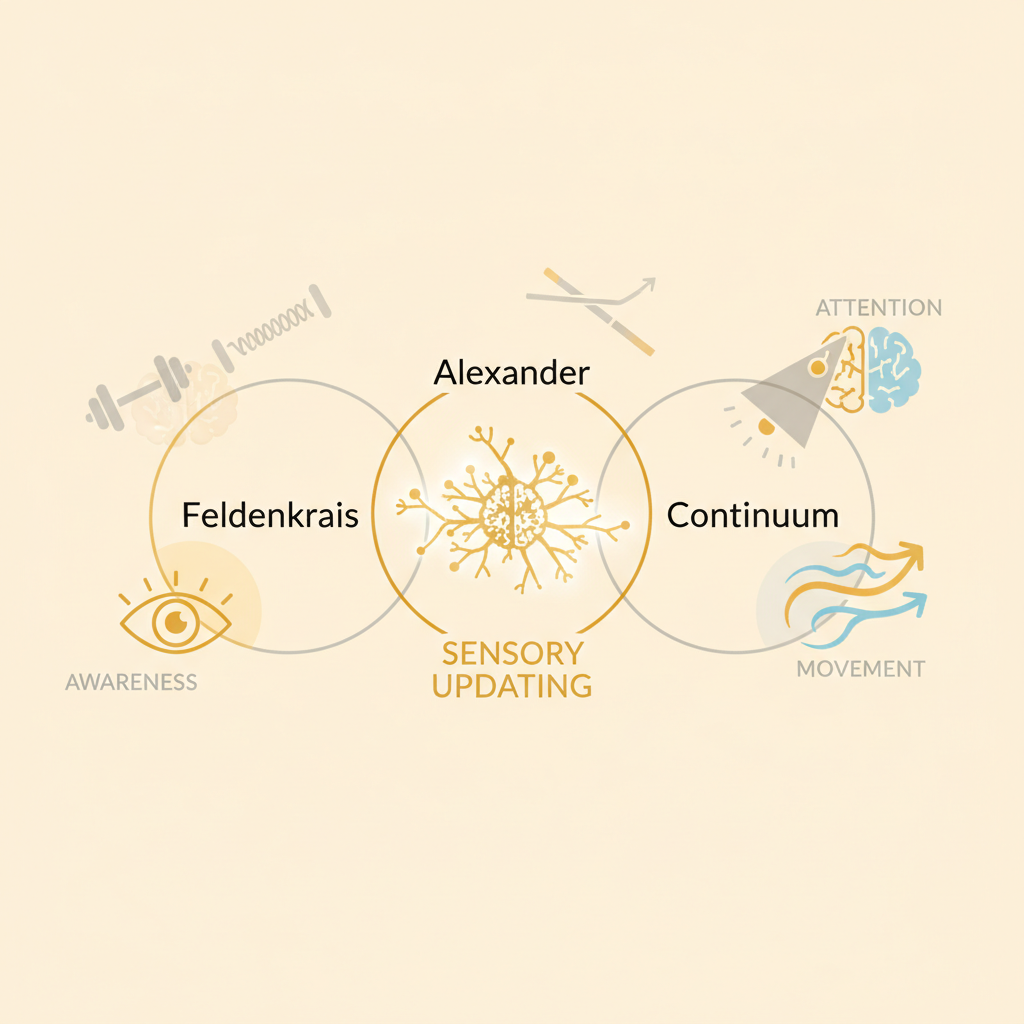
Somatic Exercises for Scoliosis: Feldenkrais, Alexander Technique, and What They Share
Somatic approaches work through sensory updating rather than muscular correction. This is why they produce changes standard PT does not. Here is…
-
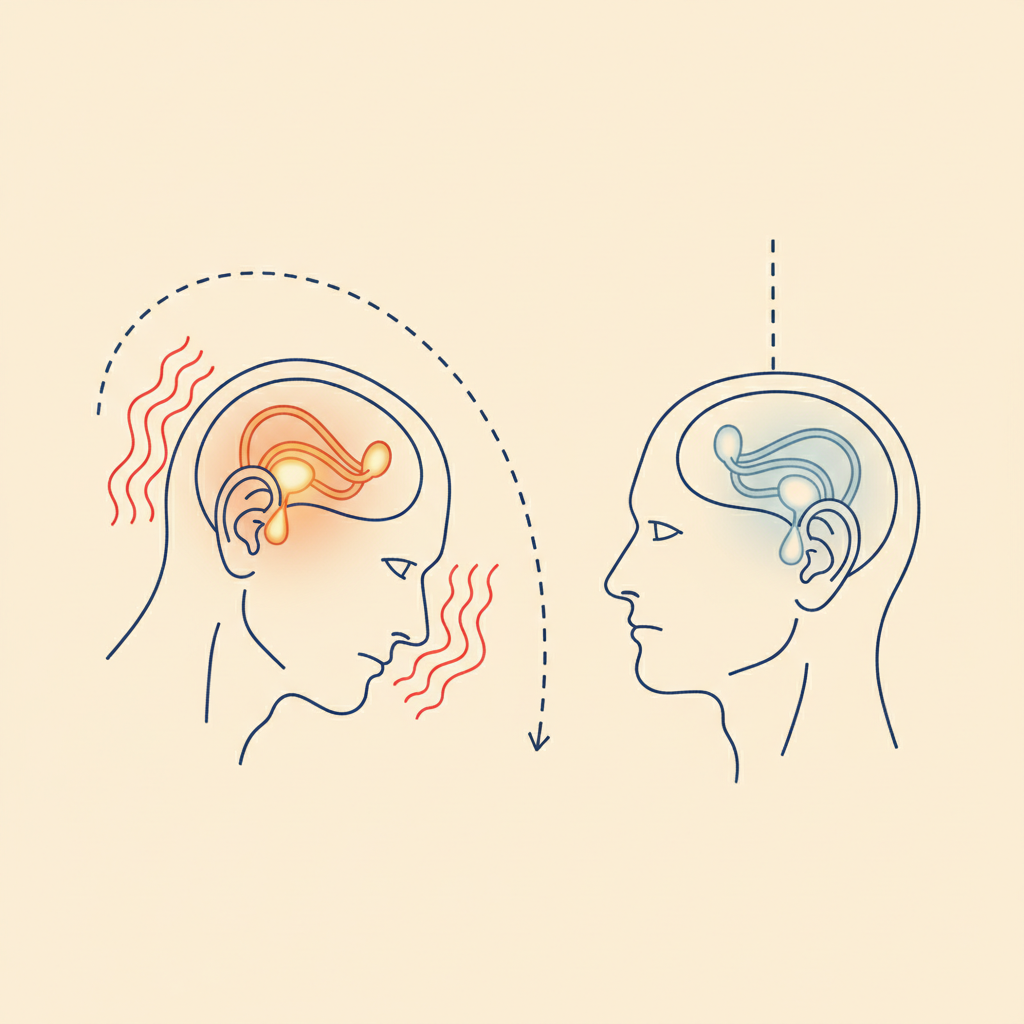
Forward Head Posture, Dizziness, and Brain Fog: The Vestibular Connection
When the head sits forward of the center of gravity, the vestibular system compensates. Dizziness and brain fog are not anxiety —…
-
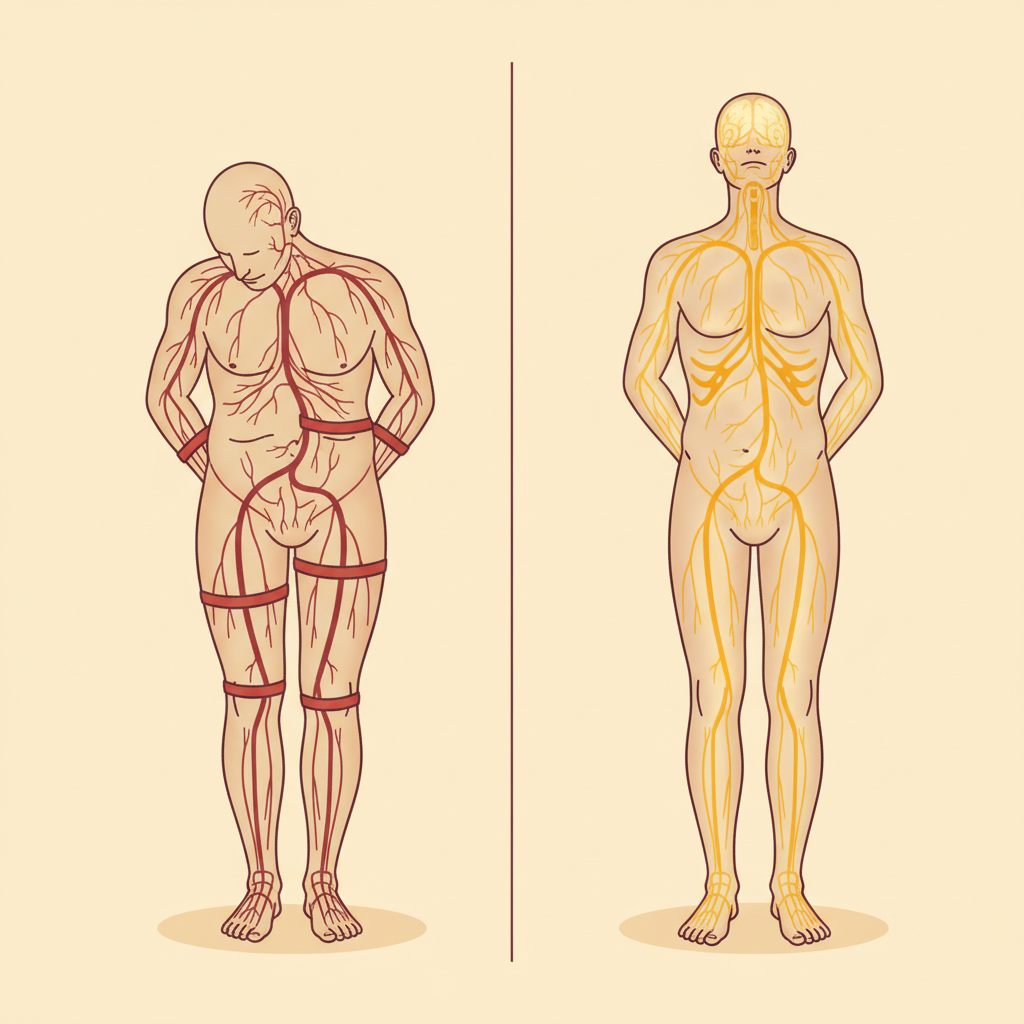
The Vagus Nerve and Posture: How Your Body Reads Safety Through Shape
The vagus nerve is the body’s safety wire. Posture compresses or opens the vagal pathway. A rounded chest and shallow breath mean…
-
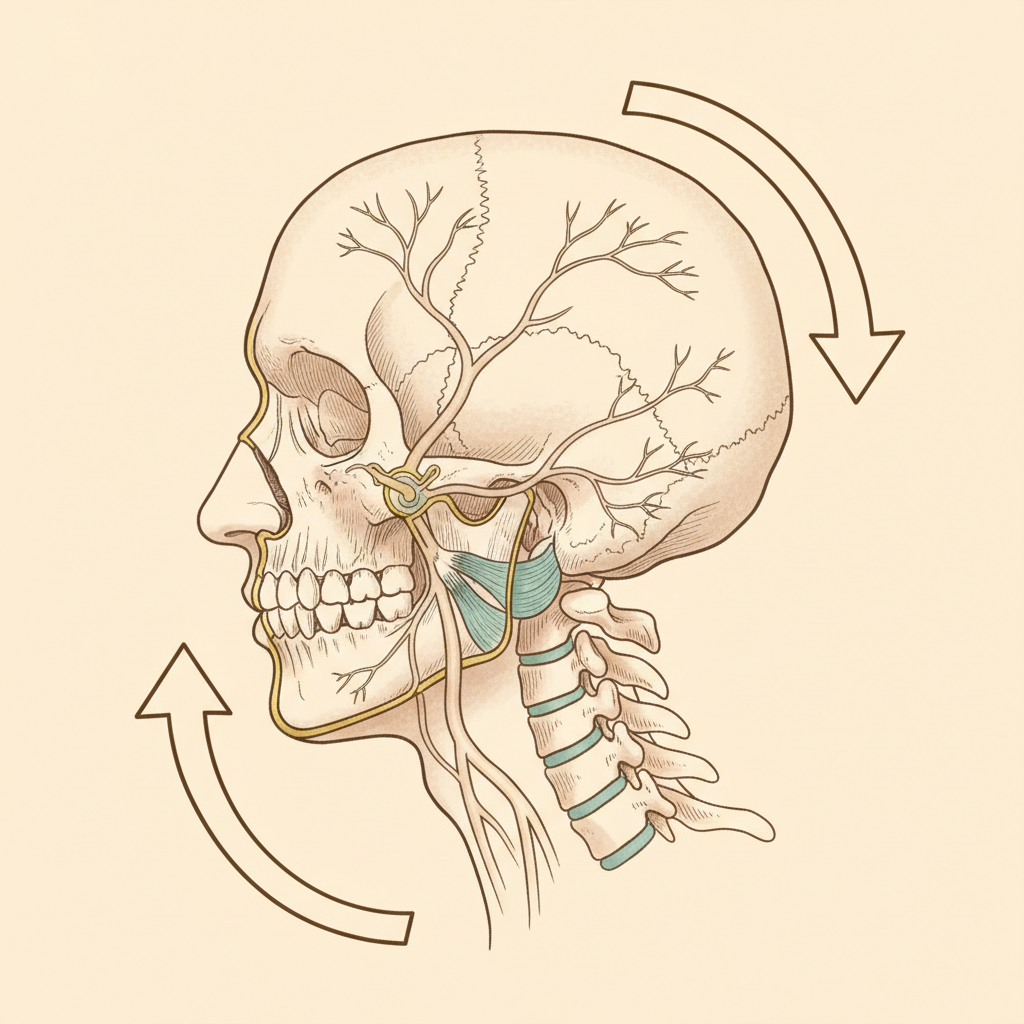
TMJ and Posture: Why Your Jaw Is Running Your Neck
The jaw is a Tier 1 sensory input. Where the jaw goes, the head follows. TMJ and forward head posture are two…
-
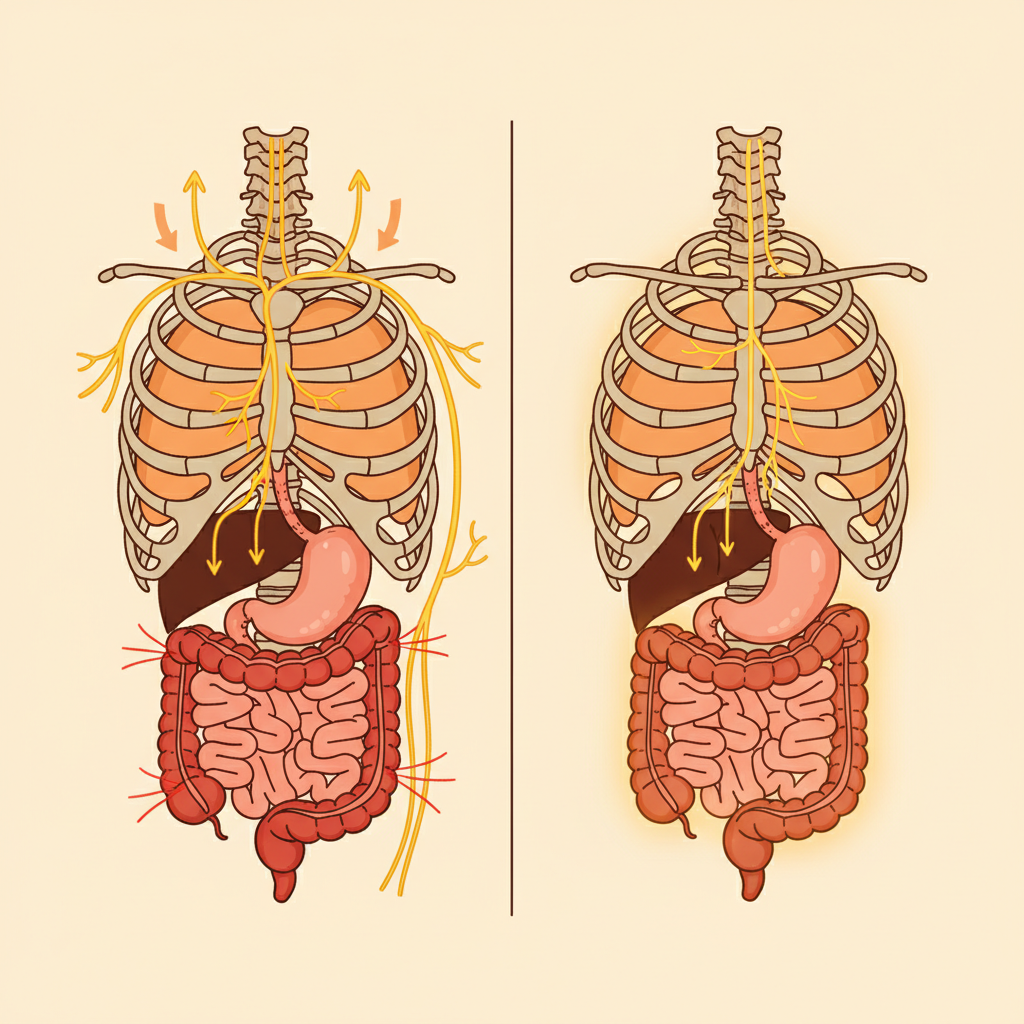
The Hidden Symptoms of Scoliosis: Fatigue, Digestion, and What Your Spine Is Not Telling You
Scoliosis is treated as a spinal condition. But the curve compresses organs, restricts the diaphragm, and limits vagal tone. Fatigue and digestive…
-
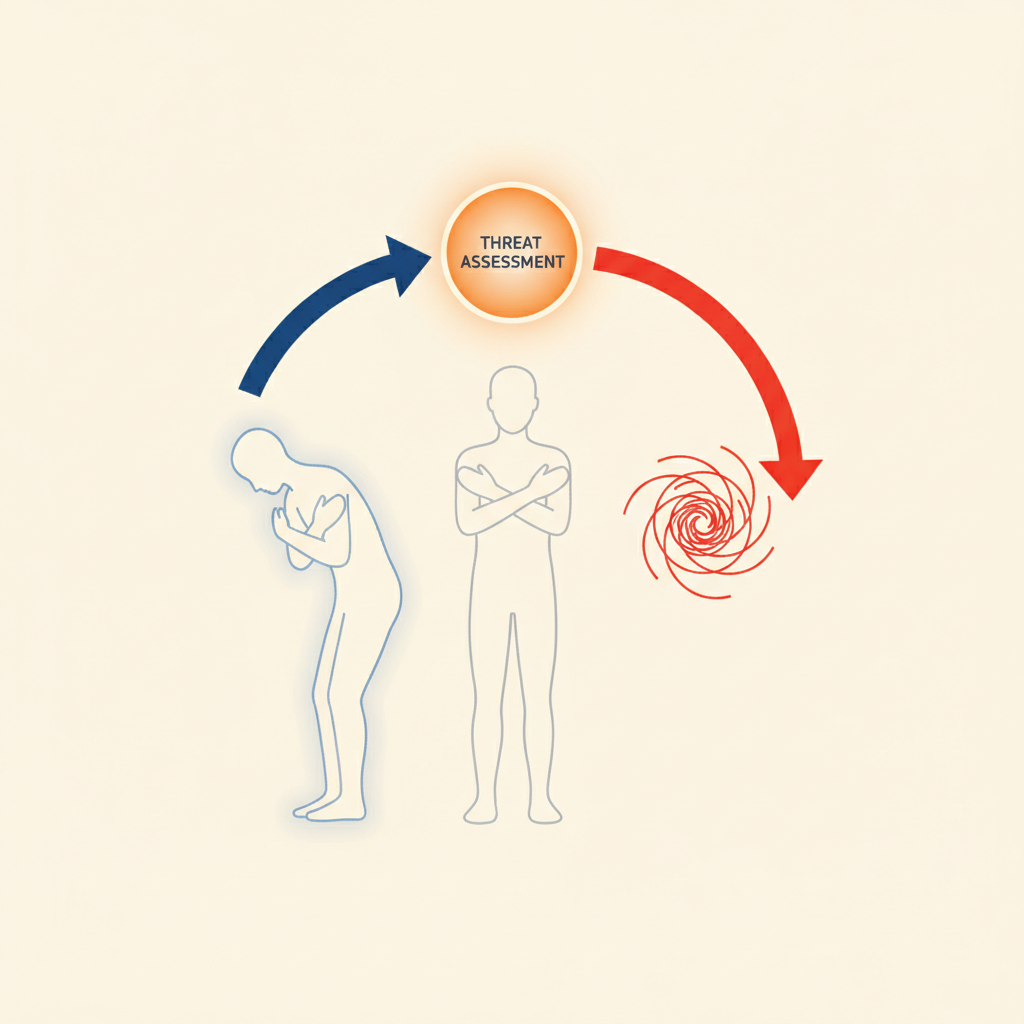
Can Posture Cause Anxiety? The Nervous System Connection Nobody Talks About
Posture does not cause anxiety. But they share a source — the nervous system’s threat state. Address the threat state, and both…
-
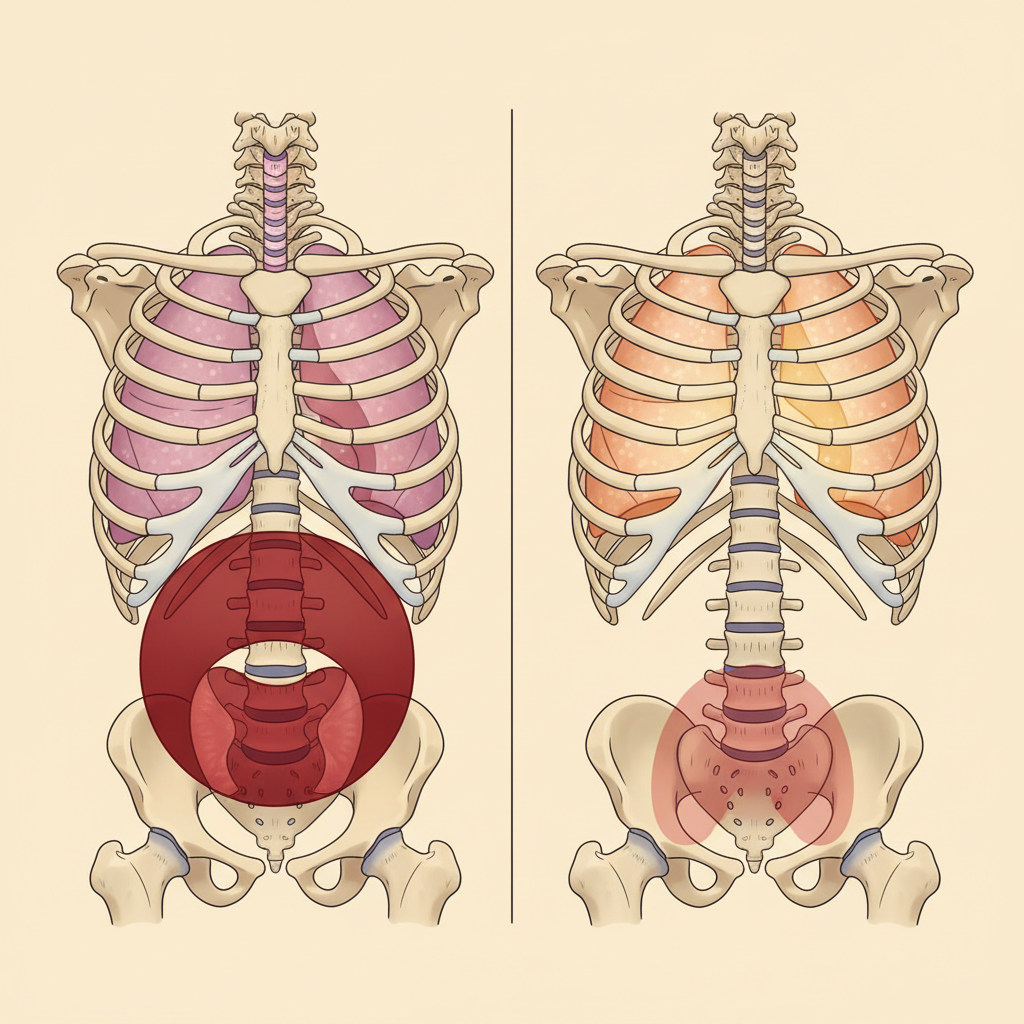
Scoliosis and Breathing: Why Your Curve Affects Every Breath You Take
The diaphragm cannot dome properly inside a rotated rib cage. Breathing dysfunction is not a side effect of scoliosis — it is…
Posture Dojo Research
The science and somatic art of effortless posture.
Explore
The Method
Results
Research
Content is for educational purposes only. Medical disclaimer.